This article analyzes Lego’s marketing strategy. The Danish brand has been breaking records for 10 years and remains the number one favorite toy brand.
Lego stands as a model of marketing excellence. Since the late 2010s, this Danish company has successfully transformed economic challenges into growth opportunities. While the pandemic and inflation have weakened many players, Lego has consolidated its leadership position through the implementation of a particularly effective marketing strategy. This strategy heavily emphasizes innovation and a positioning that partly relies on the kidult market. As a marketing consulting agency, such success can only inspire us. In this article, we break down the pillars of the strategy and reveal the astonishing figures of the Danish giant.
Contact the marketing consulting agency IntoTheMinds
Lego: key figures to remember
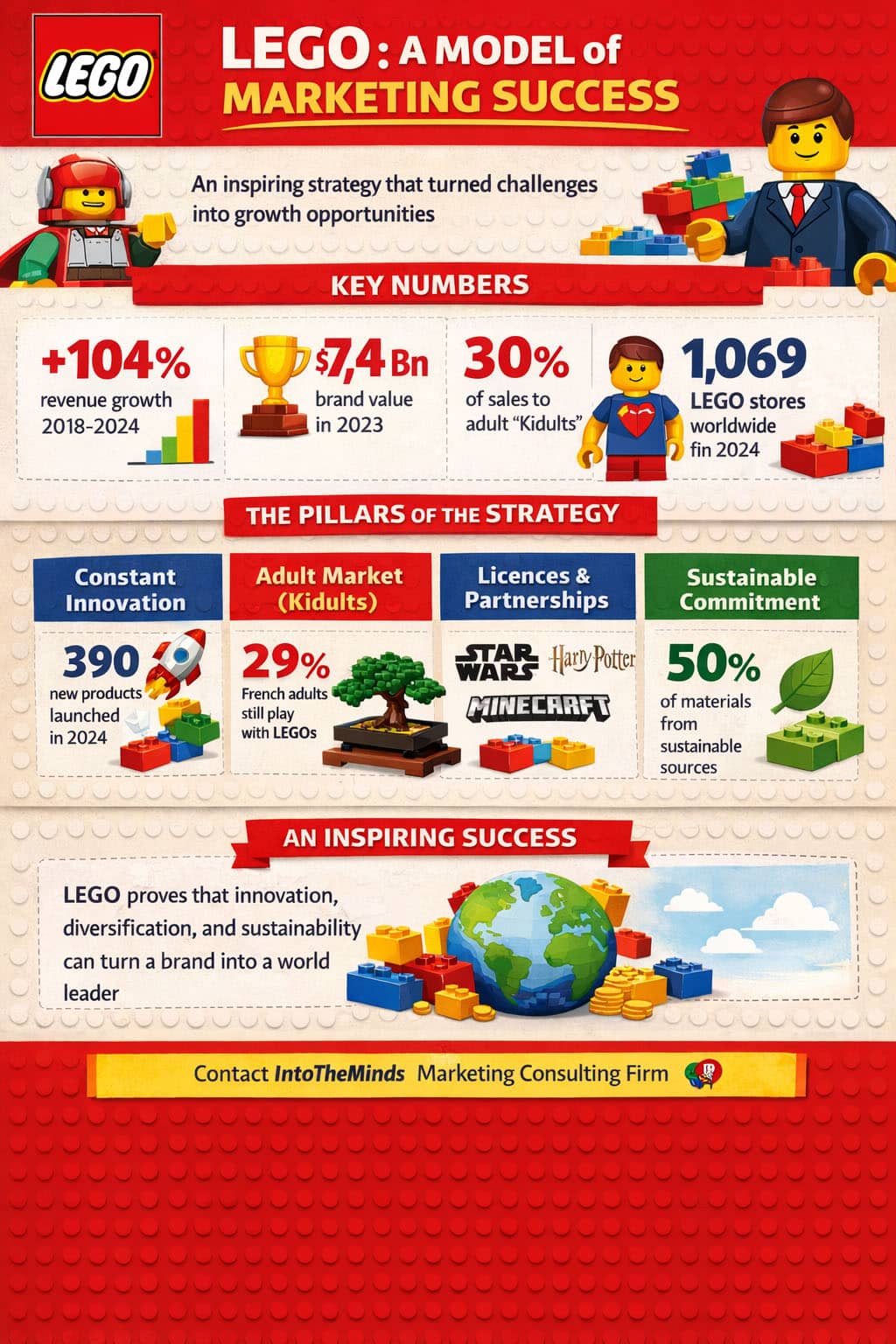
- 104%: growth in Lego’s revenue between 2018 and 2024, reaching nearly 10 billion euros
- 7.4 billion dollars: Lego’s brand valuation in 2023, up 24% in one year
- 9 consecutive years: duration during which Lego has been ranked as the world’s most valuable toy brand
- +24%: annual growth in Lego’s brand value in 2023
- 74.3 billion Danish kroner: 2024 revenue, used as a reference in corporate and financial communication
- +13%: revenue growth in 2024, in a global toy market that is almost stable or slightly declining
- 390: number of new products launched by Lego worldwide in 2024
- 300: number of new products marketed in France in a single year
- 50%: portion of Lego’s catalog renewed each year, a level far above the toy industry average
- 30%: share of Lego sales made to adults (kidults)
- 12%: Lego’s market share in the kidult segment in France
- 115: number of Lego products specifically designed for adults in the French market
- 750 references: size of Lego’s catalog in France
- 30%: share of Lego’s revenue generated by licenses
- 1069: number of Lego stores worldwide at the end of 2024
- 35000: number of proposals submitted by fans on the Lego Ideas platform since its creation
- 30: number of projects commercialized based on community ideas
- 29%: share of French adults who still play with Lego
- 65%: share of adults associating Lego with stress reduction and creativity
- 68%: increase in Lego’s sustainability investments between 2023 and 2024
- 50%: share of materials purchased by Lego from sustainable or renewable sources in 2024
Lego’s financial performance defies the market
Lego’s financial results reflect a particularly well-orchestrated marketing strategy. Between 2018 and 2024, the group’s revenue increased from approximately 36.4 billion Danish kroner to 74.3 billion Danish kroner, representing a growth of over 104% in six years. This trajectory contrasts sharply with the difficulties faced by the sector.
During the 2020-2023 period, the global toy market experienced brutal fluctuations. After exceptional growth during lockdowns, the sector suffered an estimated cumulative decline of between 6% and 8% in value over 2022 and 2023. In 2023, while global toy sales fell by 7%, Lego still posted revenue growth of 2% and an increase in consumer sales in several key markets.
This resilience is explained by a marketing approach based on constant innovation and diversification of target audiences. The company has anticipated market evolutions and adapted its offerings accordingly. The renewal rate of its range also pushes collectors to accumulate boxes and sometimes even speculate on them. To such an extent that some people have specialized in buying entire Lego collections, as shown in this astonishing video.
Lego stores have meanwhile become “hubs” attracting multiple generations of customers. They can even be considered tourist destinations in their own right. Each opening attracts crowds and receives significant media coverage. The customer experience offered there is also very different from one Lego store to another. We had analyzed the one at the Lego store in New York and the one in London.
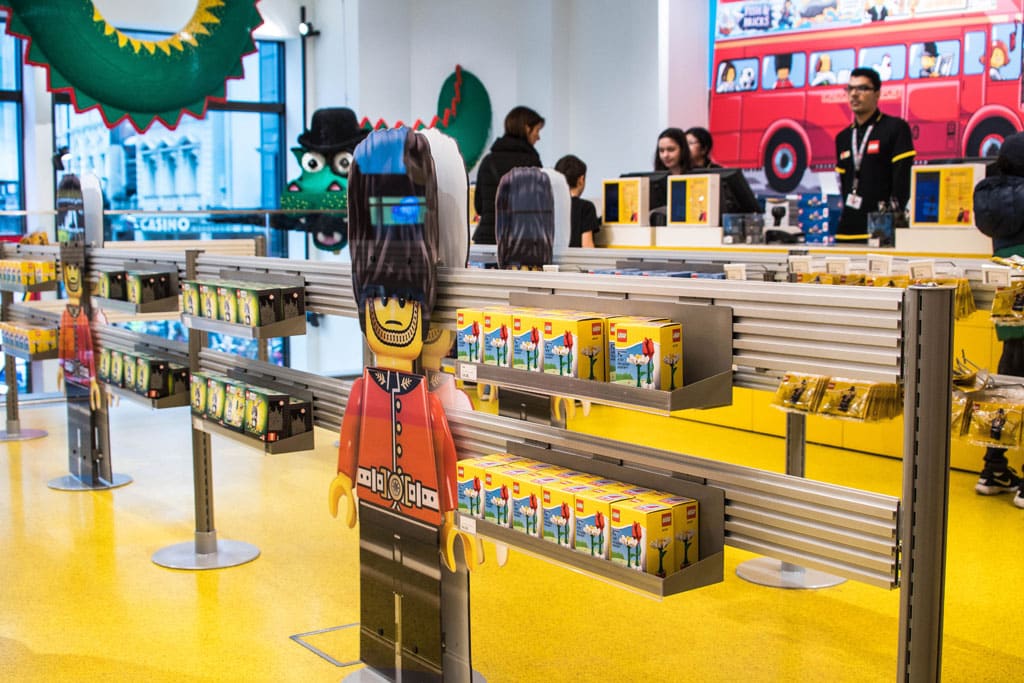
Lego retail outlets are formidable for parents’ wallets 😉. This image illustrates one of the strategies implemented to increase average basket size: products are placed at children’s height in the queue, in front of the cash registers. All these little marketing “tricks and tips” allow the Danish brand to increase its revenue.
Product innovation at the heart of the marketing strategy
Lego’s marketing strategy relies on constant renewal of its offerings. The company renews nearly half of its catalog each year. In France, around 300 new products are launched annually, out of a portfolio of approximately 750 active references. Globally, the group launched more than 390 new products in 2024 alone. This renewal allows the brand to maintain desire and interest among customers, especially kidults.

Like the one in New York, Lego stores have become tourist destinations thanks to the recreation of worlds in Lego bricks.
This pace places Lego among the most prolific manufacturers in the sector, far above the toy industry average, where the renewal rate rarely exceeds 20 to 25% per year. This approach allows the brand to maintain consumer interest and conquer new segments.
Innovation is not limited to the aesthetics of the sets. It touches on uses, audiences, technologies, and experiences. As early as 2018, the group invested heavily in ranges combining construction and digital, such as Lego Boost, Lego Hidden Side, and Lego Super Mario. The latter represents a major strategic turning point, introducing an interactive figure integrating sensors, screens, and Bluetooth connectivity.
Tell us about your marketing projects
The conquest of the adult market: a marketing revolution
One of Lego’s most remarkable marketing successes concerns the conquest of the adult segment. Kidults now represent nearly 29% of the toy market revenue in France, compared to about 11% in 2018. At Lego, this share reaches about 30% of sales, with growth exceeding that of the market.
Some ranges are explicitly designed for this target, such as Lego Icons, Lego Art, Lego Ideas, or Lego Botanic. The latter perfectly illustrates Lego’s ability to create new uses. Launched in 2021, the Botanic range became in 2023 the top source of Lego sales in France for several consecutive months.
From a marketing perspective, Lego transforms a toy into a decorative object and a relaxation experience. Internal studies by the brand show that these products are mostly purchased for oneself, rather than as gifts, a behavior historically rare in the toy industry. This evolution explains why nearly 29% of French adults still play with Lego.
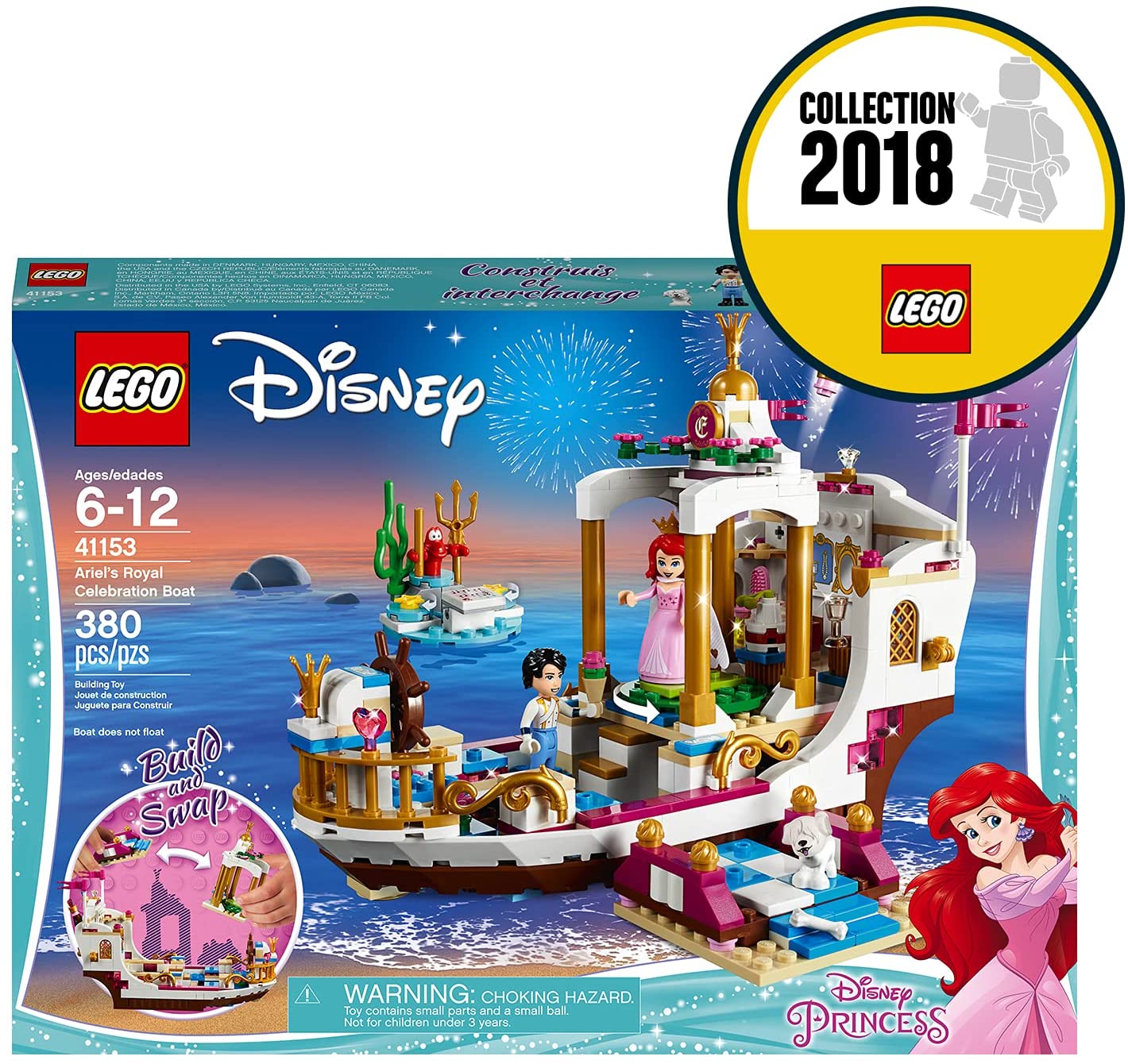
Lego forms numerous partnerships with other brands to be present in multiple market segments. Disney is one of them.
Licenses and partnerships: a controlled expansion strategy
Licenses constitute another pillar of Lego’s marketing strategy. In France, approximately 30% of Lego’s revenue comes from licenses. Globally, some licenses show double-digit growth over several consecutive years.
Lego Star Wars, launched in 1999, celebrates its 25th anniversary with sales still rising, while Lego Harry Potter remains one of the group’s top three performing licenses. Lego Minecraft, on the other hand, records growth exceeding 40% during certain periods, driven by the enduring popularity of the video game among 7-14 year olds.
Innovation also manifests in the way Lego designs its partnerships. Collaborations with Adidas, Nike, Levi’s, Ikea, or Okaïdi do not aim for massive volumes but rather an extension of the brand’s territory. These operations allow Lego to reach consumers outside the toy aisle while reinforcing its creative and transgenerational brand image.
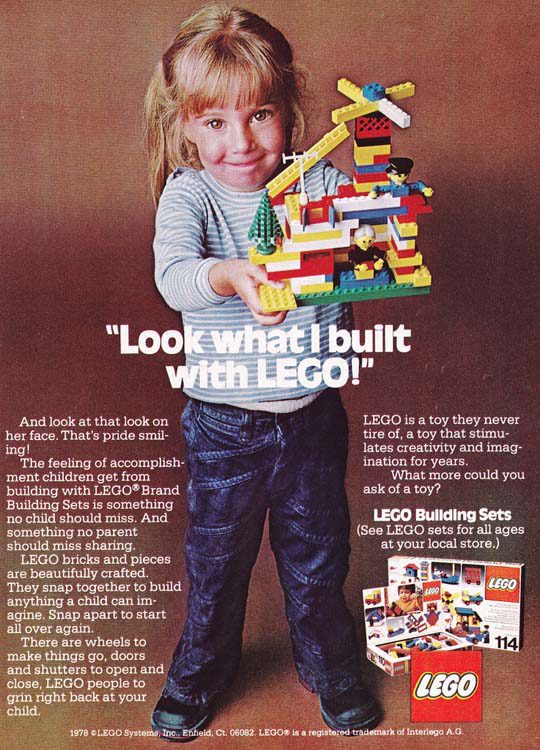
Lego’s marketing has greatly evolved since this 1980s advertisement. Nevertheless, one element remains constant: creativity.
Exemplary communication and brand management
Lego’s marketing strategy relies on particularly effective communication. Lego has been ranked as the world’s most valuable toy brand for nine consecutive years, with an estimated value of 7.4 billion dollars in 2023, up 24% in one year.
According to market research conducted in more than 40 countries, Lego consistently ranks among the top three favorite brands of children across all categories. This dominance is explained by a continuous presence in the media space, but also by an ability to produce proprietary content.
Lego operates one of the most followed brand channels on YouTube, with several million subscribers, and invests heavily in animated series, films, and community platforms like Lego Ideas, which has seen more than 35,000 projects submitted by fans since its creation.

The Star Wars license is one of the oldest in the Lego range and probably one of the most sought after by collectors. Credits: Markus Spiske, Unsplash
Environmental innovation as a marketing lever
On the industrial and environmental front, innovation also plays a key marketing role. Lego dedicates more than 1 billion euros annually to its investments, with an increasing share allocated to sustainability. In 2024, nearly 50% of the materials purchased for brick manufacturing come from sustainable or bio-based sources.
Environmental investments increased by 68% between 2023 and 2024 and are expected to reach around 425 million euros per year by 2025. Even the abandonment of the recycled PET brick project is used as a communication lever based on scientific transparency, reinforcing the brand’s credibility among adult consumers.
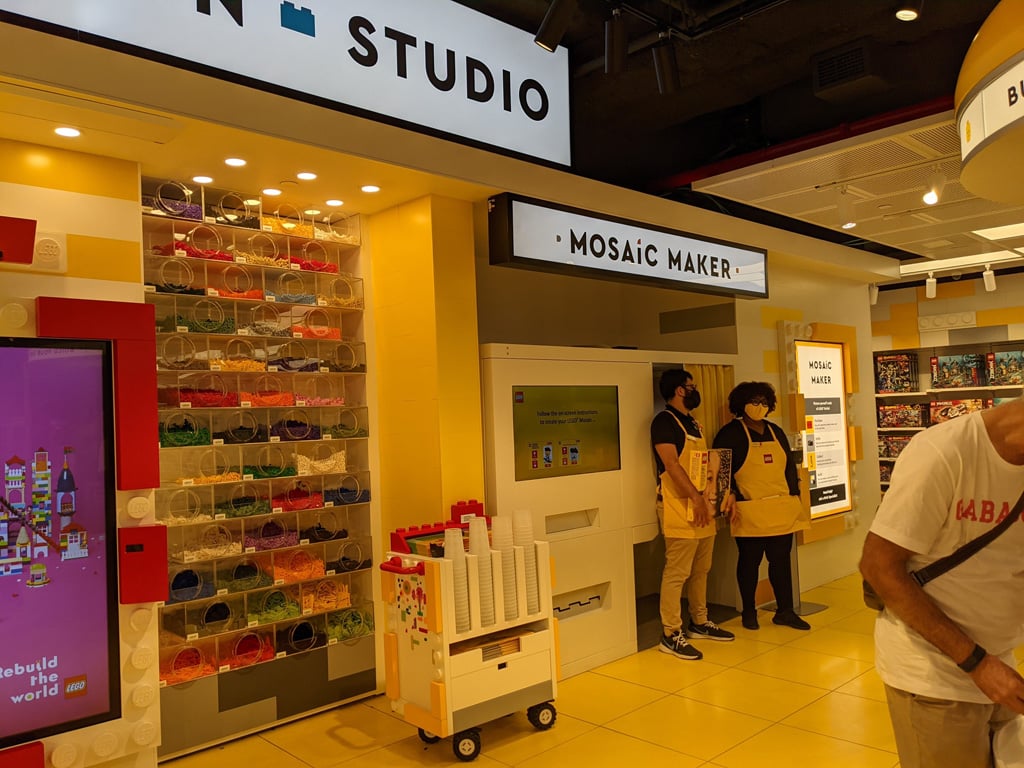
Lego also bets on in-store personalization. The customer can leave with products that have been created by them and for them. The customer experience is also very “phygital,” as we had analyzed in this article.
Lessons from a successful marketing model
Over the years, Lego has built a systemic innovation model, where each new product, each license, each partnership, and each industrial investment enhances brand value. The figures show that this strategy is not only creative but profoundly profitable.
With net profits regularly exceeding 1.7 billion euros and cumulative growth of several billion euros in less than a decade, Lego demonstrates that constant innovation, when guided by a clear marketing vision, can transform a toy manufacturer into a global cultural brand.
This integrated marketing approach, combining product innovation, target diversification, strategic partnerships, and coherent communication, serves as an inspiring model for many companies. It illustrates how a brand can not only withstand crises but emerge stronger through a marketing strategy adapted to market evolutions.

Frequently asked questions
How does Lego maintain its growth in a struggling toy market?
Lego maintains its growth through a strategy of constant innovation. The Danish brand renews nearly 50% of its catalog each year. The company also diversifies its targets by conquering the adult market of kidults, which now represents 30% of its sales. This approach allows it to resist fluctuations in the traditional toy market.
What is the share of licenses in Lego’s marketing strategy?
Licenses represent approximately 30% of Lego’s revenue in France. Partnerships like Star Wars, Harry Potter, or Minecraft generate double-digit growth over several years. These collaborations allow Lego to access new universes and reach broader audiences.
How does Lego use technological innovation in its marketing strategy?
Lego integrates digital into its physical products with ranges like Lego Super Mario or Lego Fortnite. This hybridization between physical and digital play attracts new generations while preserving the essence of construction. The company also invests heavily in digital content and community platforms.
What role does sustainability play in Lego’s marketing strategy?
Sustainability has become an important marketing pillar for Lego. The company allocates 425 million euros annually to environmental investments by 2025. In 2024, 50% of the materials used come from sustainable sources. This approach reinforces the brand’s credibility among adult consumers sensitive to environmental issues.