I went to Kodawari, an incredible ramen restaurant in Paris. I dissect the meticulously designed customer experience based on 6 analytical dimensions.
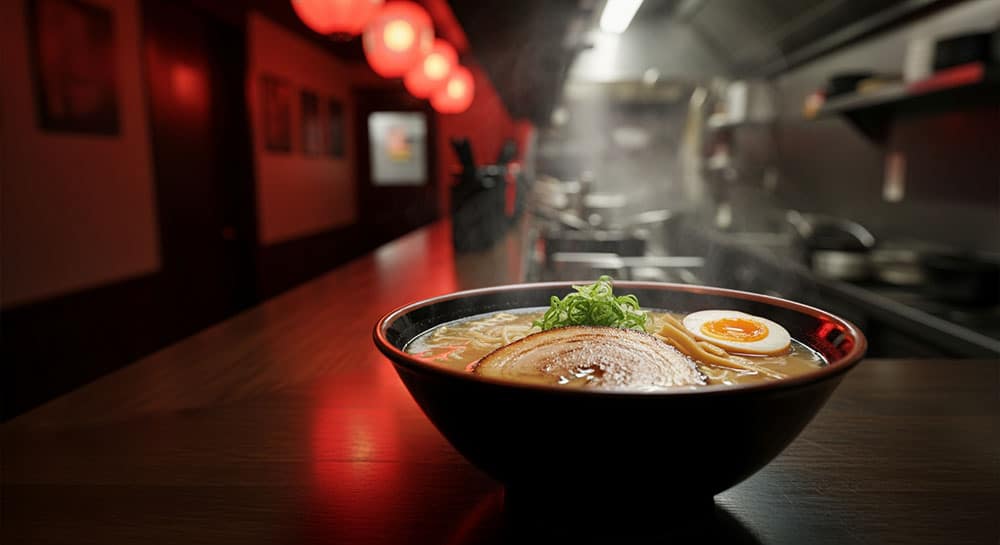
Has Paris become the must-visit destination for ramen lovers? The French capital is now home to 2 restaurants that have elevated this Japanese dish to new heights. Kodawari Ramen, with its two iconic locations at 12 rue de Richelieu (1st arrondissement) and 29 rue Mazarine (6th arrondissement), perfectly embodies this alchemy between Japanese authenticity and service excellence. This establishment has developed a holistic approach to customer experience that deserves closer examination. It illustrates how every sensory dimension can be stimulated to create an unforgettable moment. I’ve dined there twice and will be your guide to analyze this memorable experience.
Contact IntoTheMinds for your marketing analyses


Kodawari Ramen: The Essentials
- Kodawari Ramen has 2 locations in Paris: Kodawari Yokocho (Odéon district) serving meat-based ramen and Kodawari Tsukiji (Palais Royal district) serving fish-based ramen.
- Total immersion: Each location faithfully recreates a Japanese atmosphere. Kodawari Yokocho reproduces the ambiance of Tokyo’s narrow alleyways (yokocho) with bars and small restaurants. Kodawari Tsukiji recreates the famous fish market.
- Culinary excellence: Artisanal ramen prepared according to the most authentic Japanese traditions. Everything is made in-house. The noodles, for example, are made with French-sourced wheat and handcrafted.
- Complete sensory stimulation: Every sense is engaged in harmony with the brand identity
- Personalized service: A relational approach emphasizing proximity and cultural exchange
- Symbolic consistency: Every element reinforces the Japanese DNA of the concept
Just a few years ago, Japanese cuisine in France meant mostly sushi. Fortunately, Japanese food enthusiasts have imported ramen to France, and it’s become ultra-trendy. Paris is full of ramen restaurants, but one stands above the rest: Kodawari Ramen. Everything is better there, and I’ll explain why eating noodles at Kodawari Ramen will remain forever etched in your memory.
In this article, I’ll share with you the customer experience at Kodawari Ramen.
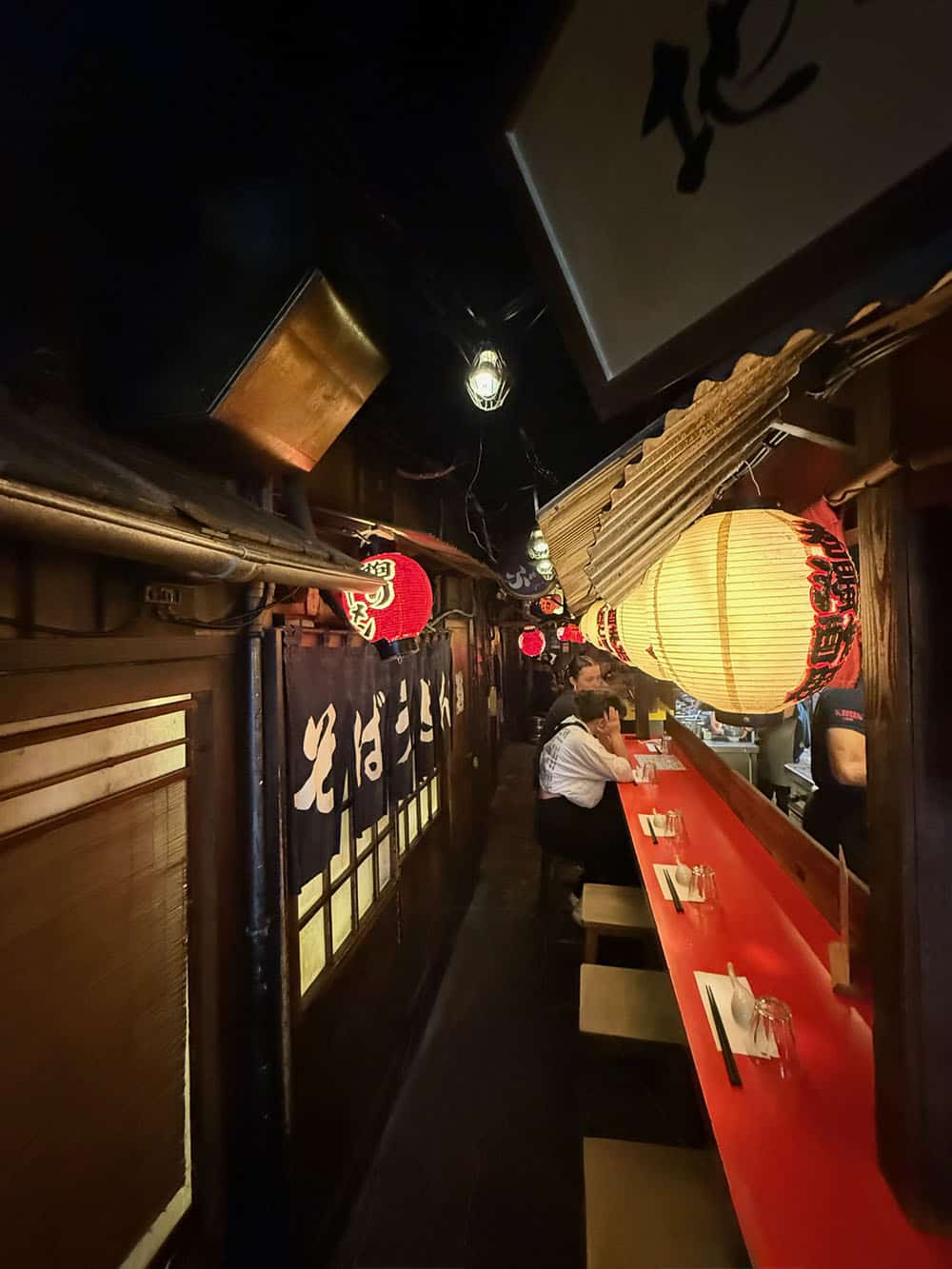
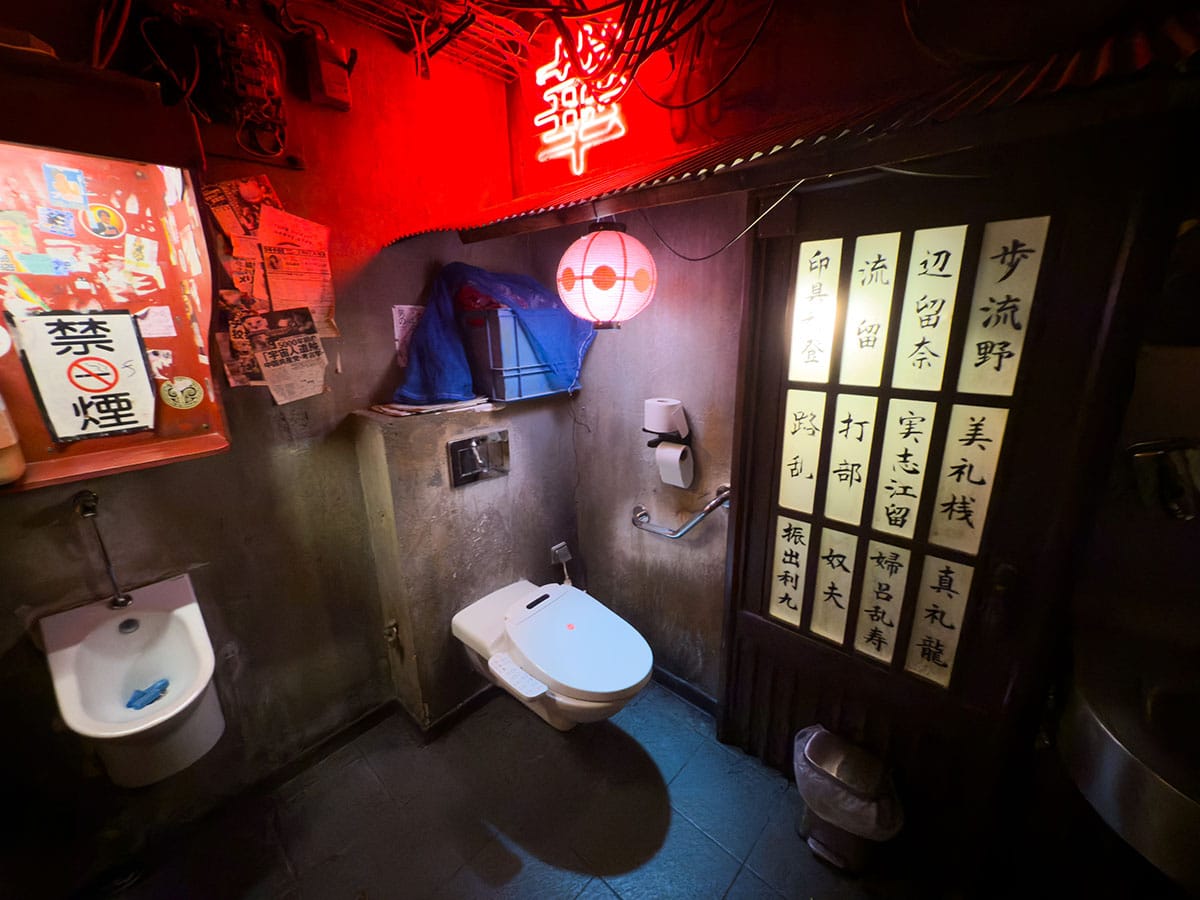
Kodawari Ramen Yokochō is located at 29 rue Mazarine, 75006 Paris. This restaurant recreates the atmosphere of a narrow alley (Yokocho meaning “alley” in Japanese) featuring izakayas, bars and small Japanese restaurants.
Affective Dimension: Anticipation of an Idealized Japan
From the first contact, a special emotional dimension emerges with Kodawari Ramen. The first thing to note is that you can’t reserve a table. Everything happens through a virtual waiting line where you must register. Then you need to show up at the designated time and wait a bit more. The problem is that some people arrive over an hour before opening (at 11:45 AM) and waiting is inevitable. But ultimately, I think the wait becomes an integral part of the experience. Rather than enduring it, customers anticipate and accept it as a rite of passage to something exceptional. And they’re not disappointed.
This affective dimension is first nourished by perceived authenticity. Customers don’t just come to eat Japanese noodles – they seek an emotional connection with Japanese culture. The emotion stems from this fulfilled promise: to experience a genuinely Japanese moment in the heart of Paris.
The nostalgic aspect also plays a crucial role. For those who have traveled to Japan, Kodawari Ramen awakens precise memories. For others, it creates anticipated nostalgia for a dreamed-of Japan they’re finally discovering. This emotional charge transforms each visit into a gustatory pilgrimage.
Cognitive Dimension: Understanding to Better Appreciate
What I find interesting is that Kodawari doesn’t just serve you a bowl of noodles like any other ramen restaurant. There’s research, an intellectual dimension that clearly emerges from owner Jean-Baptiste Meusnier’s quest for culinary perfection rooted in Japan (watch the report above to see for yourself). Jean-Baptiste Meusnier strives to be as faithful as possible to the roots of this Japanese dish. The cognitive experience at Kodawari Ramen revolves around discovery and learning. The restaurant doesn’t just serve – it educates. Every menu element is designed to enrich the customer’s understanding of ramen culture.
The servers, true cultural ambassadors, willingly share their knowledge about different broth types, ingredient origins, or preparation techniques. This knowledge transfer transforms the meal into an enriching educational experience.
The menu itself becomes a learning tool. Detailed descriptions help newcomers navigate the complex world of Japanese ramen, while connoisseurs find precise references that attest to the authenticity of the approach.
This cognitive approach creates a virtuous circle: the more the customer understands, the more they appreciate. The more they appreciate, the more they want to deepen their knowledge. Kodawari Ramen thus becomes a place of initiation as much as a restaurant.
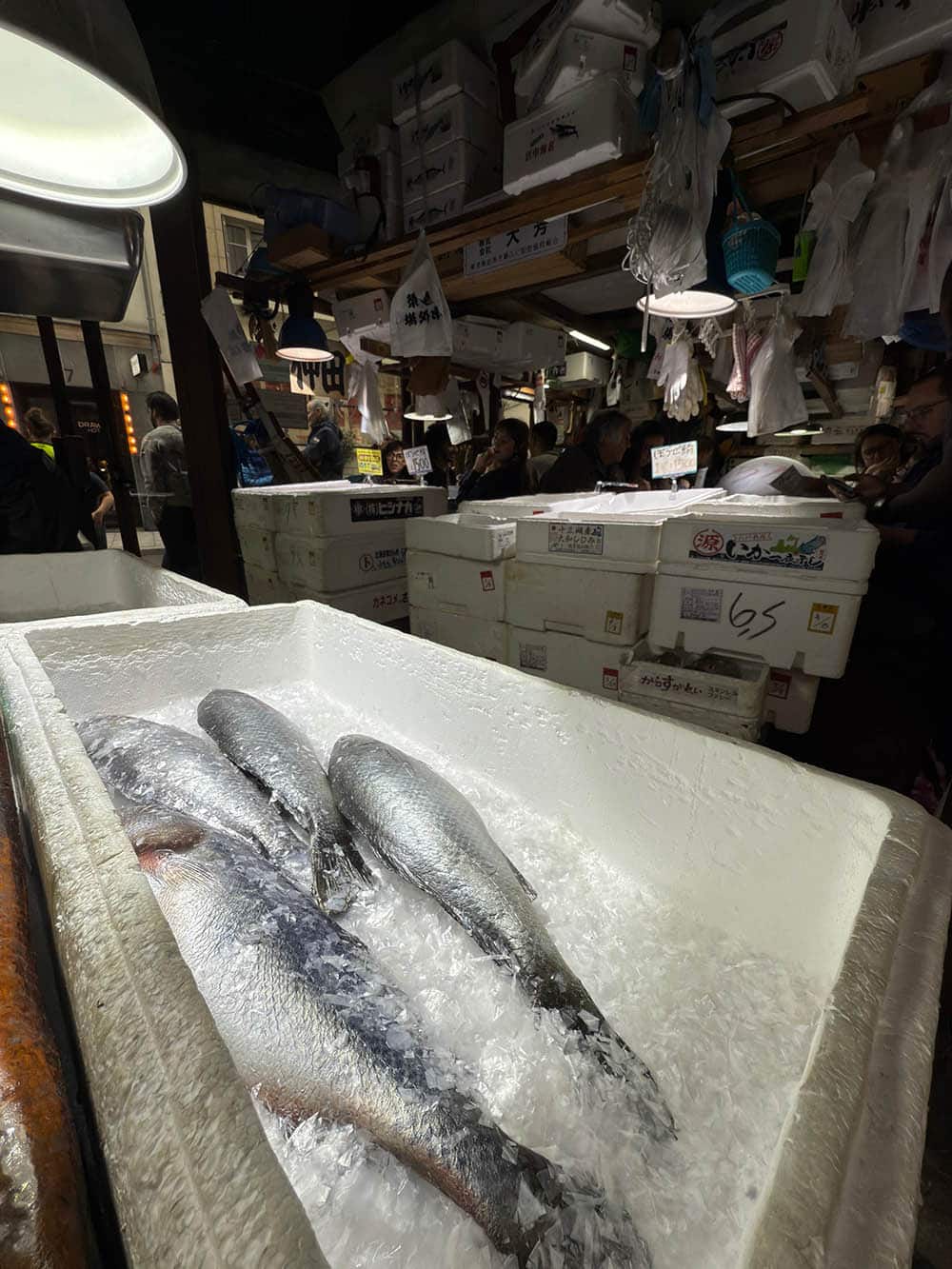
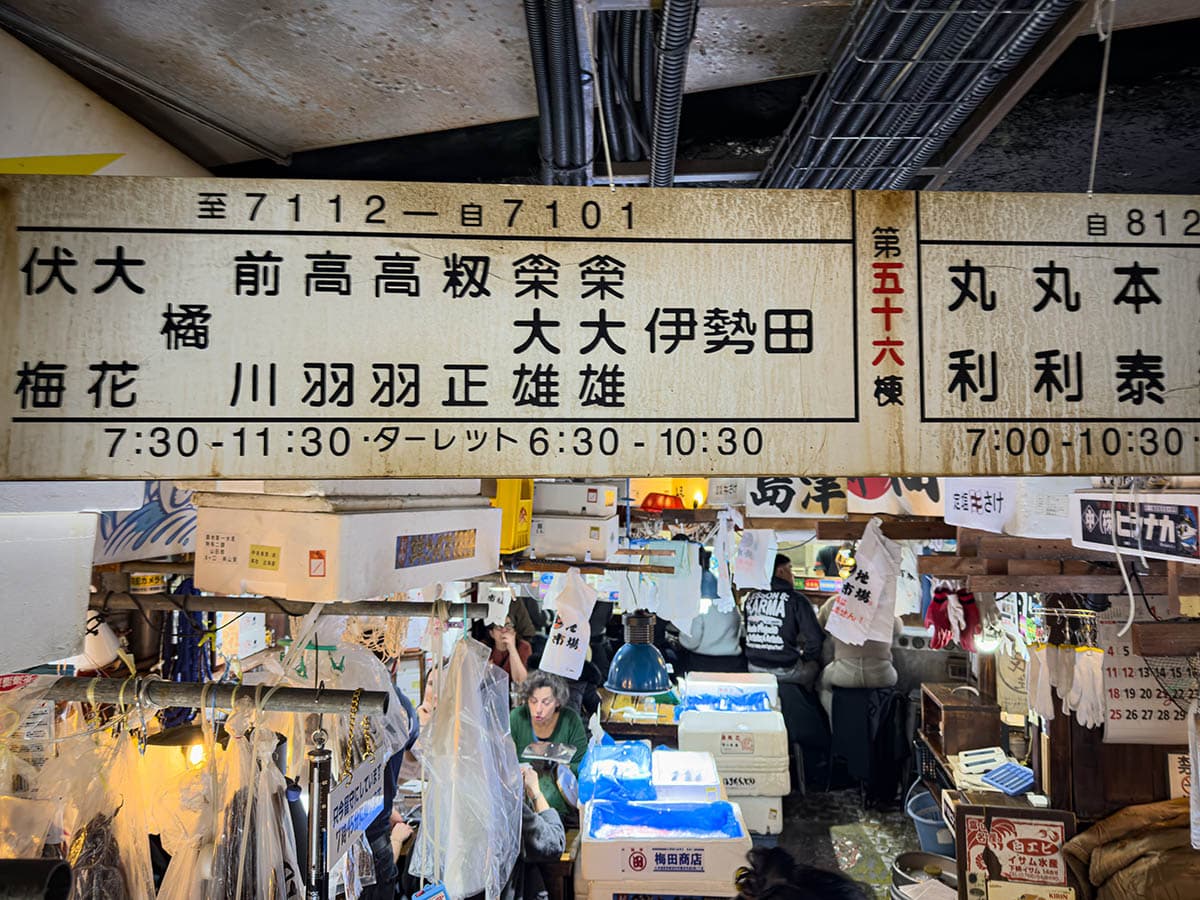
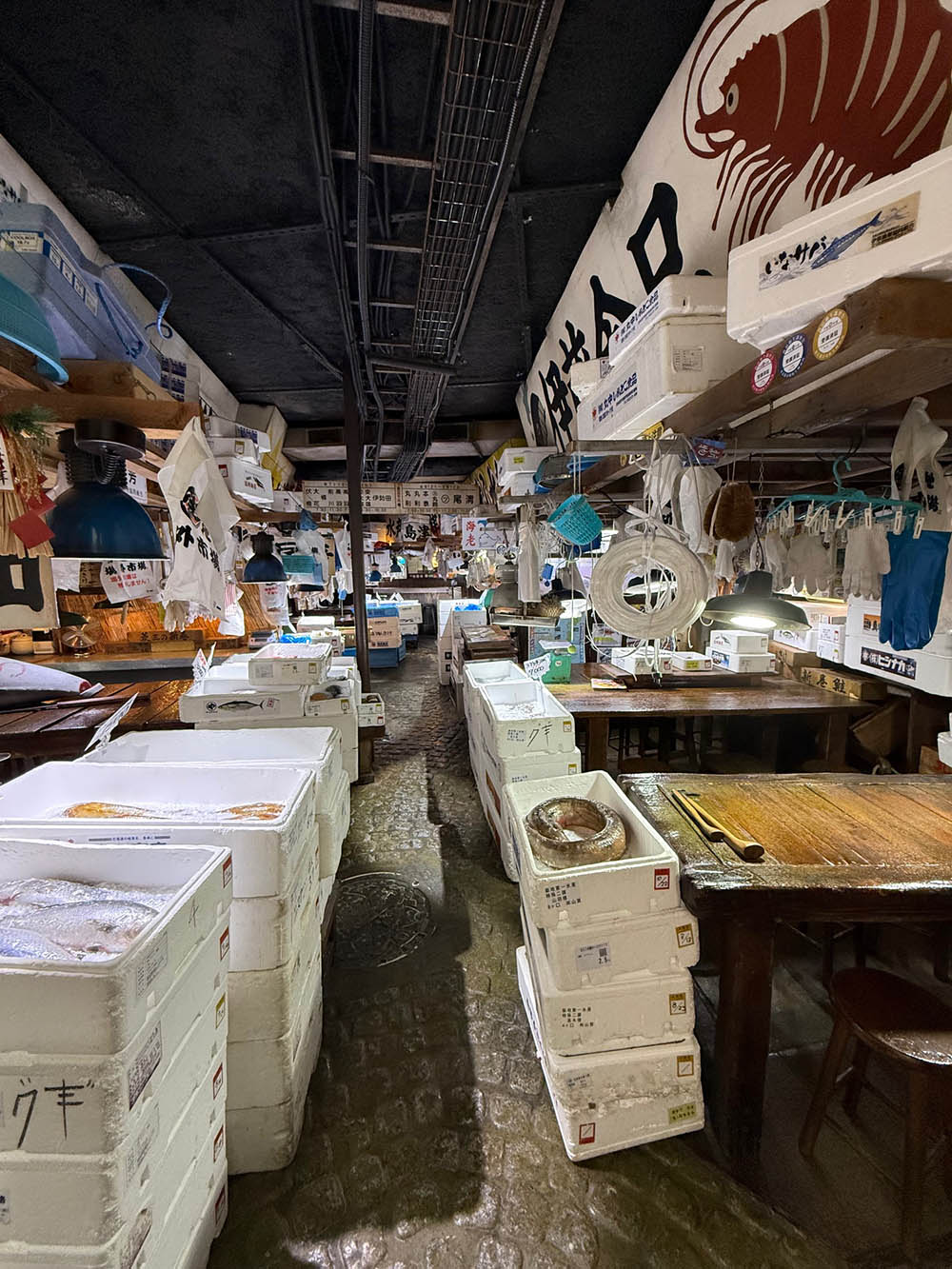
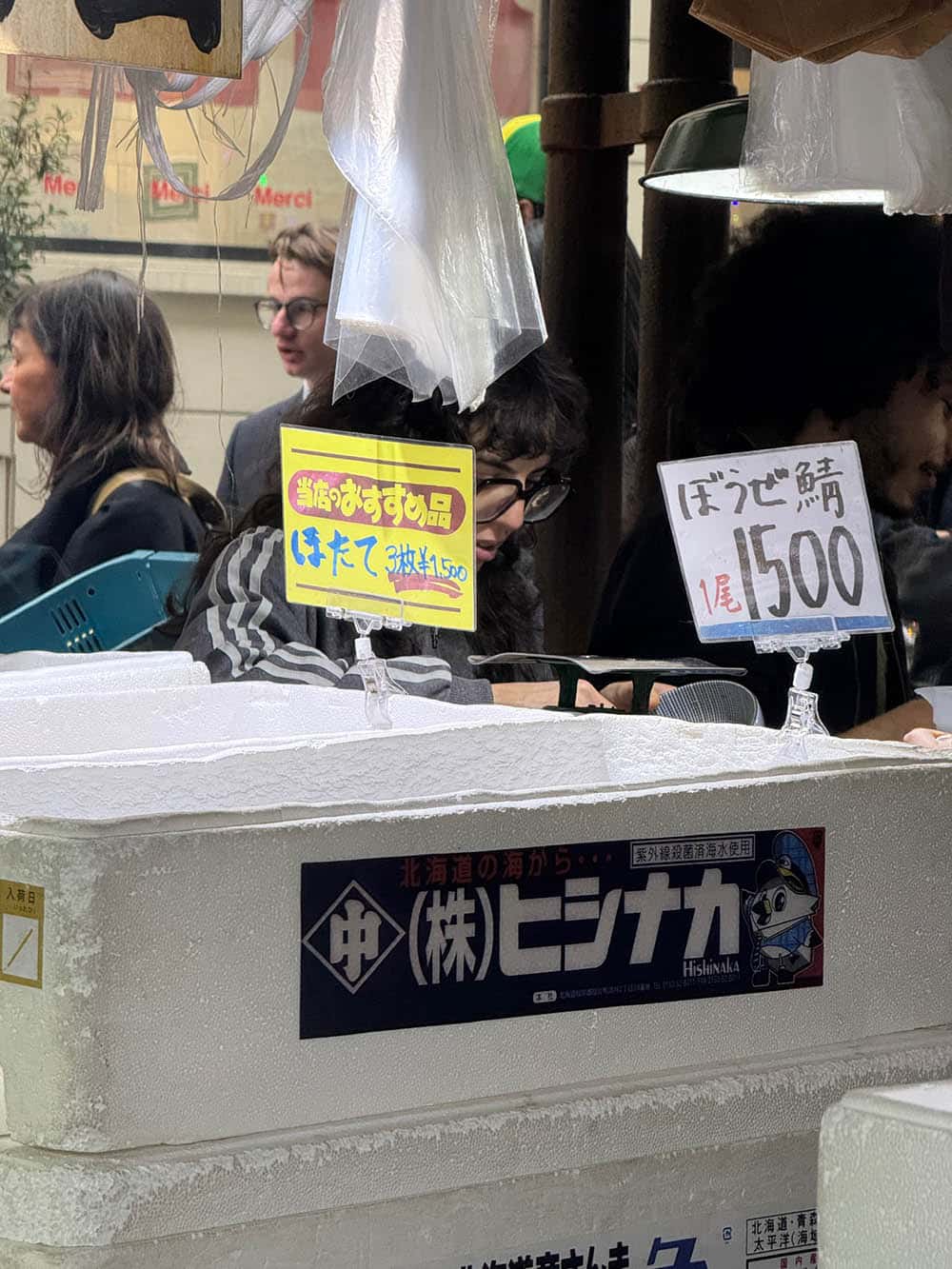
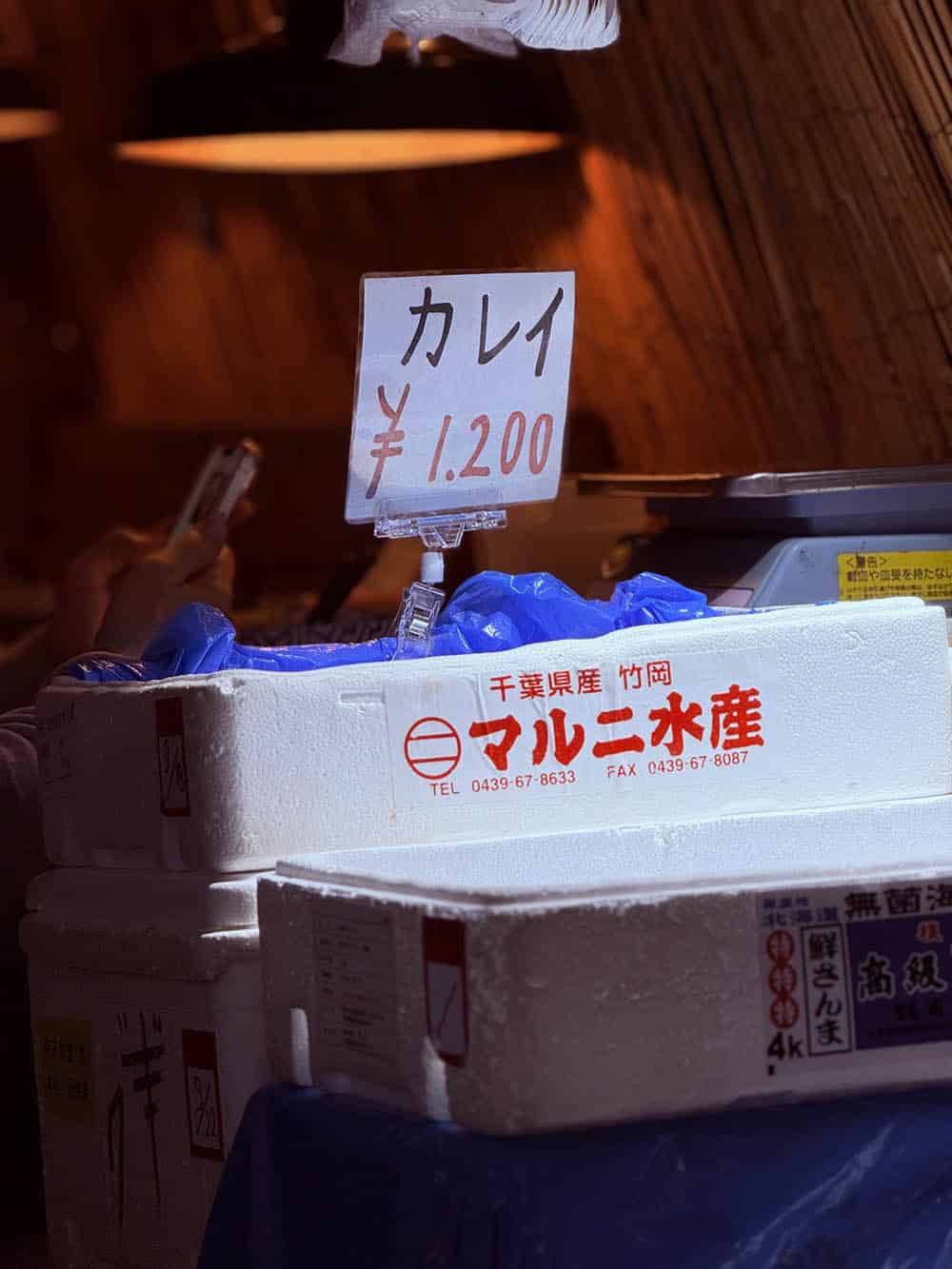
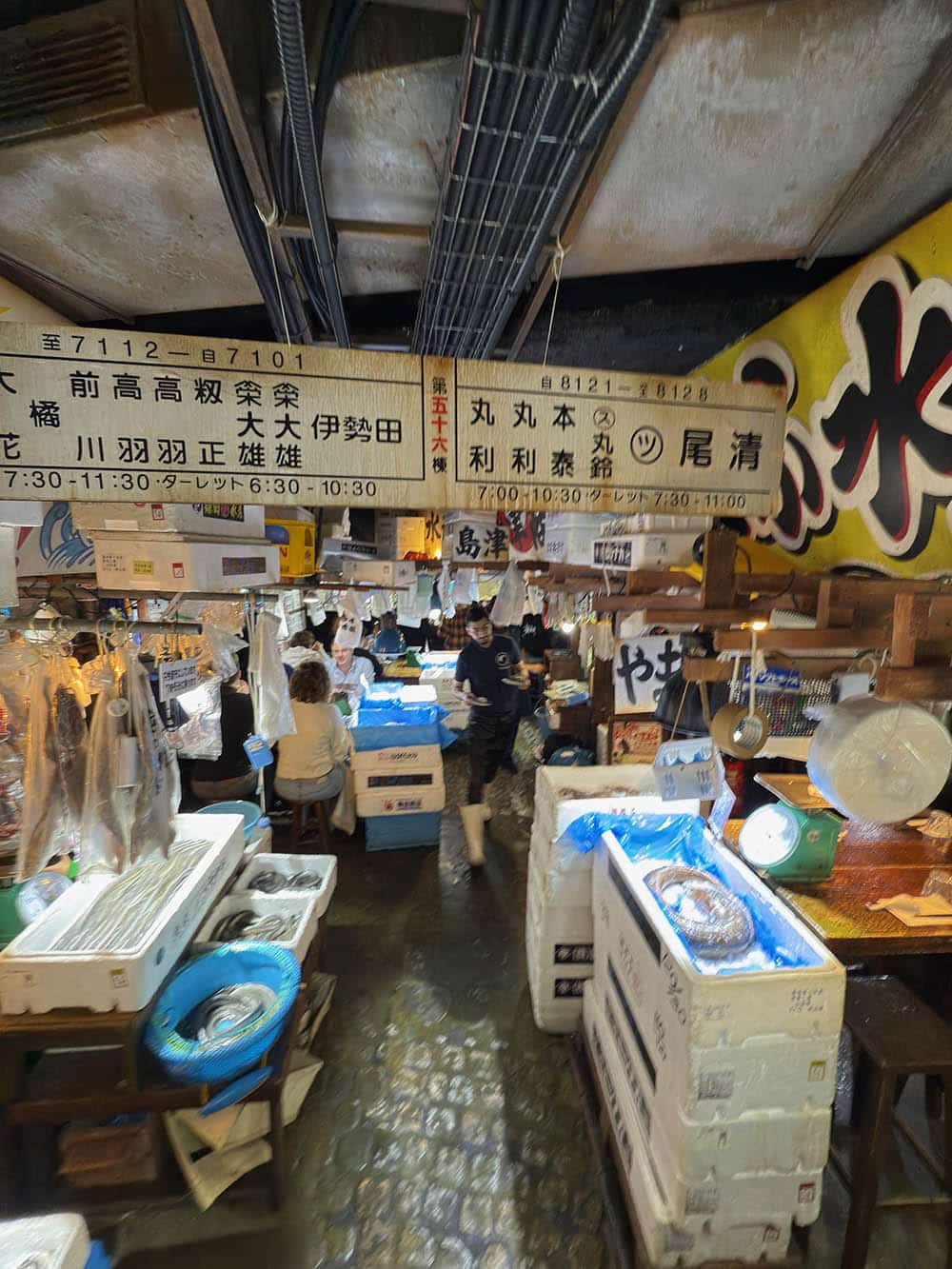
At Kodawari Tsukiji (75001 Paris), you find yourself immersed in a fish market setting. Perfectly replicated (fake) fish complete the decor.
Relational Dimension: The Art of Japanese Hospitality
The relational dimension at Kodawari Ramen draws from the codes of Japanese omotenashi hospitality. This service philosophy, which places anticipating customer needs at its core, translates into a unique relational approach.
The first thing that will strike you is the entrance ritual. Staff greet you in Japanese. With each new customer arrival, the ritual repeats. Servers shout “Irasshaimase” and you’re immediately transported. Welcome to Japan (without leaving Paris 😋).
What I also appreciated was the measured proximity of the staff. People are clearly friendly and kind. Our server was the perfect guide to explain the menu and make recommendations. This is quite reassuring, especially since the recipes offered are very different from what other ramen restaurants serve. For example, it was my first time eating fish ramen, which warranted some explanation.
The community aspect also manifests among customers. The confined space, far from being a drawback, encourages exchanges. People share impressions, compare choices, and give each other advice. Kodawari Ramen becomes a place of sociability around the shared passion for Japanese cuisine.
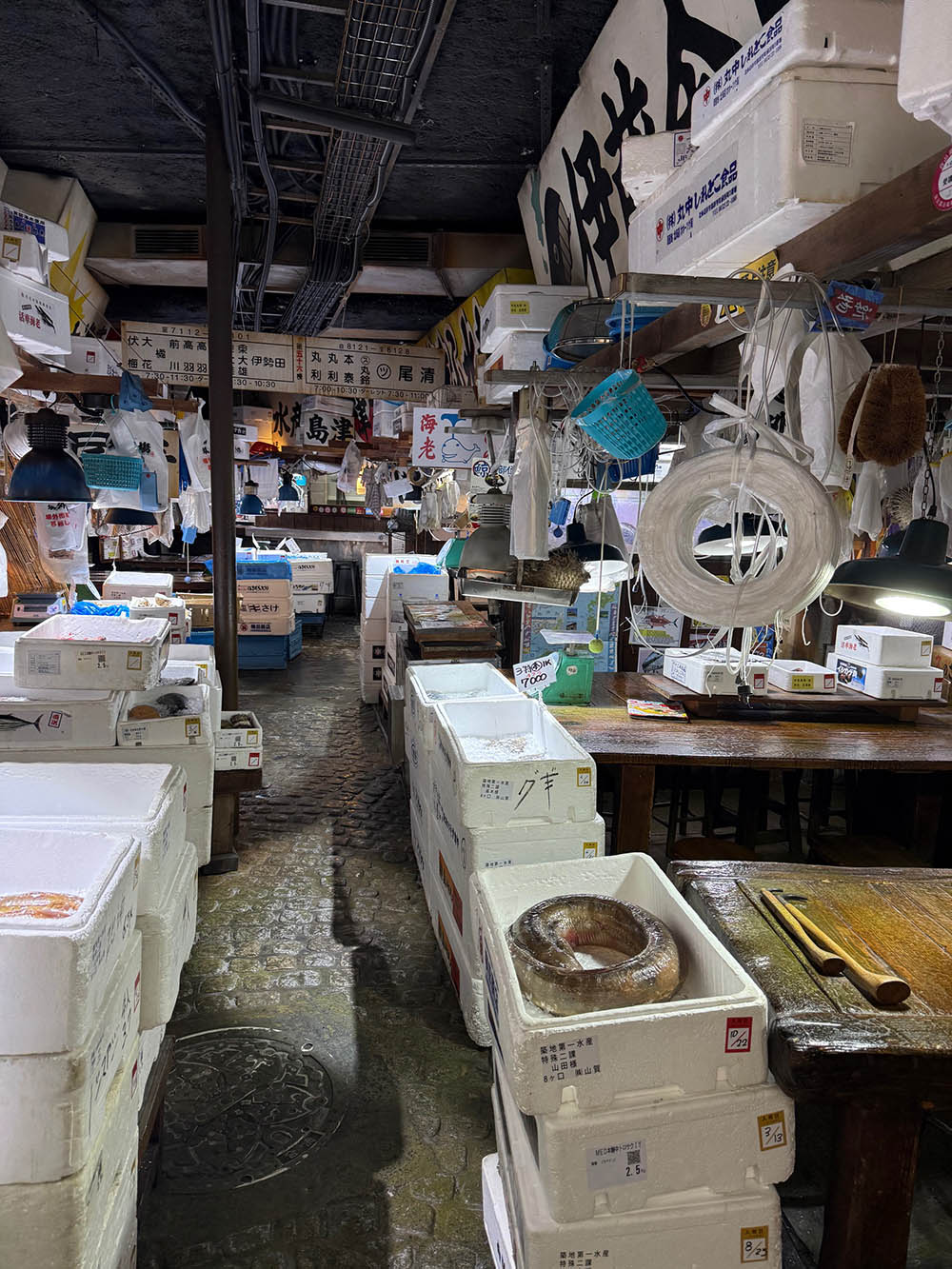
The Kodawari Ramen Tsukiji restaurant is one of the two Paris locations. It recreates Tokyo’s Tsukiji fish market (now closed) with astonishing realism. You’ll even find the cobbled street and (fake) fish stalls. The realism is striking.
Physical Dimension: Recreating Tokyo in Paris
The physical experience at Kodawari Ramen begins with a visual shock. The two Paris locations have been designed as authentic recreations of Japanese spaces. Every architectural detail, every decorative element contributes to total immersion:
- Kodawari Ramen Tsukiji (12 rue Richelieu, 75001 Paris) recreates Tokyo’s historic fish market. The Tsukiji market was created in 1935 and closed in 2018. It was the world’s largest wholesale market for fish and seafood. Logically, only fish ramen is served here.
- Kodawari Ramen Yokocho (29 rue Mazarine, 75006 Paris) reproduces a narrow alley housing izakayas, bars and small Japanese restaurants. Here, only meat ramen is served.
The space is deliberately confined, faithfully reproducing the characteristic crampedness of Tokyo eateries. This spatial constraint, far from being endured, contributes to the authenticity of the experience. It creates a special intimacy, a proximity with the chefs working before customers’ eyes.
The furniture, some pieces imported directly from Japan, tells a story. Every stool, every counter carries part of the Japanese soul. This attention to material details transforms the space into a veritable living museum of ramen culture.
The layout also favors service efficiency, another cardinal value of Japanese culture. Every gesture is optimized, every movement designed to minimize waiting while maximizing service quality.
One small caveat: I’m very tall and some seats are really not comfortable.

Sensory Dimension: All Senses Engaged
Olfactory Dimension
From an olfactory perspective, everything is in the bowl. I didn’t notice any particular smells upon entering the restaurant. It’s all in the ramen. The broth is the heart of the dish, the star, and I can guarantee that if you order the “Chintan de Daurade Royale” or the “Sardine Bomb,” you’ll remember it. It’s nothing like the ramen you can find elsewhere.
Auditory Environment
The auditory stimulation at Kodawari Ramen reveals an authenticity pursued down to the smallest details. The soundscape is carefully designed and actively contributes to building the customer experience.
Jean-Baptiste Meusnier, Kodawari Ramen’s owner, went to Tokyo to record sounds from the Tsukiji fish market. You’re thus immersed in an incredible sound environment where you’ll hear noises from the cobblestones, auction sounds, …
The same approach applies at Kodawari Yokocho. There, it’s street sounds and subway noises that accompany you.
This is the first time I’ve encountered a restaurant that pushes sound atmosphere reflection this far.
Gustatory Experience
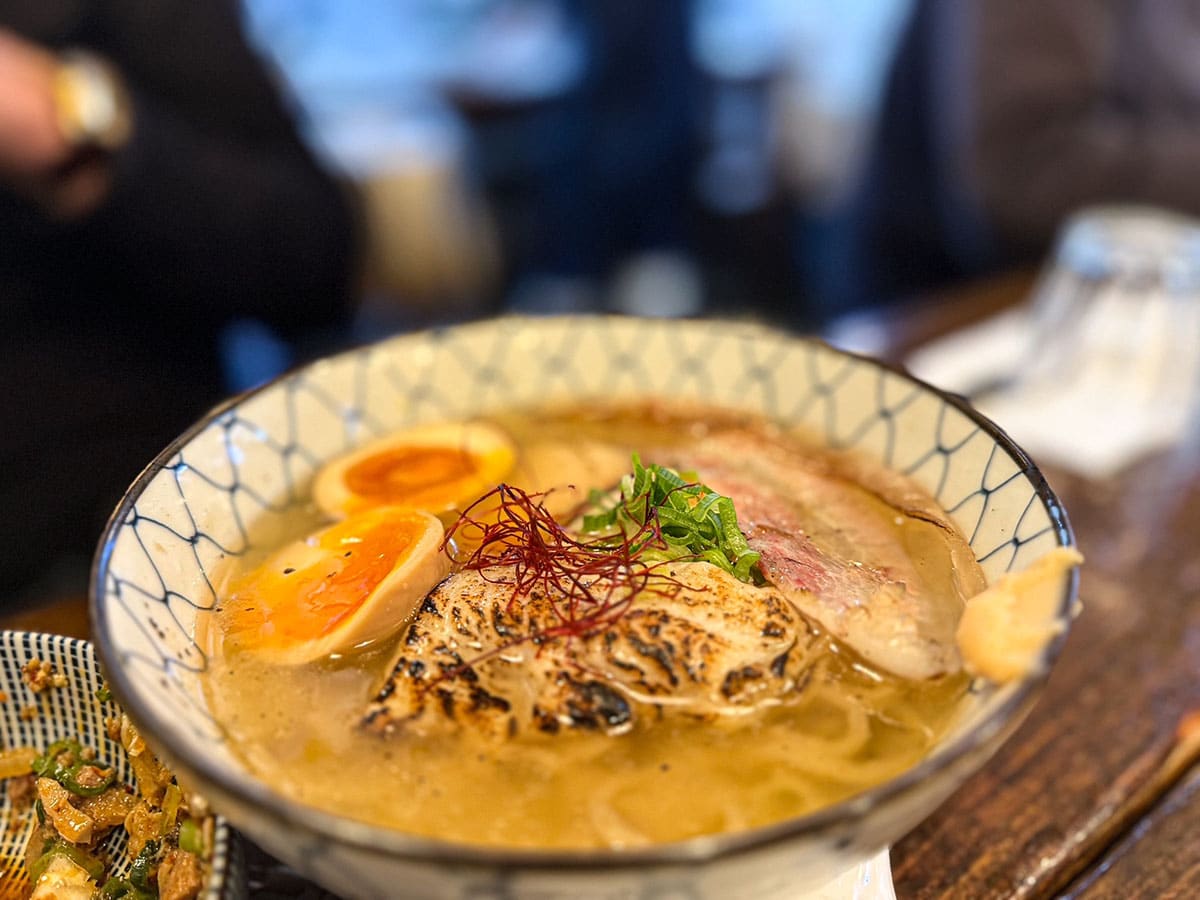
Let’s not beat around the bush: these are the best ramen I’ve ever had. The fish ramen served at Kodawari Tsukiji remains for me an incredible culinary emotion. I didn’t even know ramen could be prepared with fish broth and fish fillets instead of meat. As I write these lines, my mouth is still watering.
The broth is the true heart of the experience, and I assure you won’t leave a single drop. What I also loved was the fish paste served on the side of the bowl that enhances the flavors.
Tactile Dimension
The tactile dimension at Kodawari Ramen manifests through particular attention paid to textures and contact sensations. The wooden tables are worn and invite touch. The numerous objects brought from Japan that decorate the walls also encourage interaction. In fact, there are countless things to do while waiting to be served.
Visual Impact
There are two distinct visual atmospheres depending on which location you choose for your ramen.
At Kodawari Yokocho, lighting is deliberately subdued. This relative dimness creates special intimacy that focuses attention on the gustatory experience while preserving warm conviviality.
At Kodawari Tsukiji, the ambiance is much brighter but there’s a sort of ambient “mess” that blurs your understanding of the space. This is very interesting because it forces you to take time to comprehend the place. Nothing is obvious and you feel disoriented, somewhat like arriving in an unknown country. Well played, don’t you think?
Symbolic Dimension: The Soul of Japan
Beyond the sensory experience, Kodawari Ramen develops a powerful symbolic dimension that transcends simple dining. Every element, from the restaurant’s name to the smallest decorative details, carries symbolic weight that reinforces the brand identity.
The term “Kodawari” itself, untranslatable in French, evokes the obsession with perfection, the relentless pursuit of excellence in the smallest details. This Japanese philosophy permeates every aspect of the customer experience and becomes the guiding thread of the entire approach.
The faithful reproduction of Japanese aesthetic codes isn’t mere decor. It demonstrates deep respect for the original culture and transforms each visit into a symbolic journey to Japan. This assumed authenticity creates cultural legitimacy rare in Parisian ethnic dining.
The ritual aspect of ramen consumption, respected and encouraged at Kodawari, adds a spiritual dimension to the experience. Eating becomes a conscious act, a form of gustatory meditation that elevates simple nutrition to a transcendent experience.

Frequently Asked Questions About the Kodawari Ramen Experience
Is it really necessary to queue to experience Kodawari Ramen?
There’s no other way. The first customers start gathering from 11 AM each morning (opening at 11:45 AM). The wait is actually part of the Kodawari Ramen experience, but it’s not endured – it’s integrated into the process. This often impressive line in front of both locations testifies to the exceptional quality of the experience offered. It also creates a form of anticipation that multiplies the pleasure of discovery. My advice: consider this wait as the first act of your gustatory journey to Japan.
Are Kodawari Ramen’s prices justified by quality?
Absolutely. It’s actually not expensive at all (count between €20-€25 per person). When analyzing the quality-price ratio at Kodawari Ramen, you quickly understand that every euro invested is reflected in the bowl and the overall experience. The quality of ingredients, some imported directly from Japan, the complexity of broths simmered for hours, and the attention to every customer experience detail fully justify the price. It’s an investment in an authentic experience that’s rare in Paris.
What’s the difference between the two Kodawari Ramen locations?
Each Kodawari Ramen location has its own personality while preserving the brand’s DNA. The rue de Richelieu location only serves fish ramen, evoking the Tsukiji market atmosphere with its fishing world references, while the rue Mazarine location recreates the ambiance of Tokyo’s yokocho (small alleys) and only serves meat ramen. Both offer the same gustatory excellence but in settings that tell different stories of urban Japan.
How to choose the right ramen at Kodawari?
Choosing the perfect ramen depends on your tastes and level of initiation to Japanese cuisine. For a first visit, I recommend the shoyu ramen, more accessible, which reveals all the subtlety of clear broth. Fans of more intense flavors will opt for the miso ramen, richer and more complex. Don’t hesitate to ask staff for advice – true experts who can guide you according to your preferences. The key is to remain open to discovery!
Can you reserve a table at Kodawari Ramen?
No, reservations aren’t possible. The establishment favors a “first come, first served” approach. This is part of the cultural experience. I advise checking current procedures on their website or contacting them directly, as practices may adapt according to crowds and circumstances.