Shoplifting has become a major problem for retailers. Increasingly sophisticated technological solutions are available on the market. Here’s an overview.
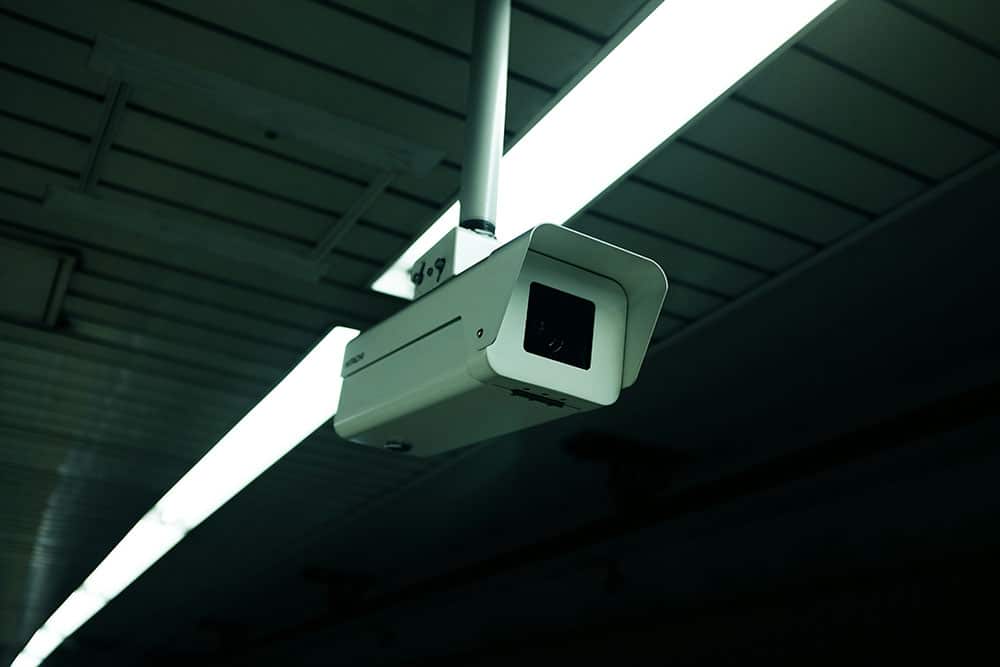
The retail sector faces a major challenge: “inventory shrinkage”. This issue, which represented €111.71 billion in global losses 10 years ago, continues to grow. Reduced purchasing power is pushing people to take risks, and self-checkout systems make it easier to act on these impulses. This has led retailers to adopt increasingly sophisticated technological solutions. From traditional anti-theft gates to AI-powered systems, the evolution of security measures reflects an ongoing arms race between thieves and protection technologies.
Key Takeaways
- Theft accounts for 1.23% of global retailers’ revenue
- Store security technologies are evolving from physical systems to artificial intelligence
- AI solutions promise loss reduction of 20% to 60%
- French legislation permits AI anti-theft experimentation until 2027
- 4%: potential revenue loss from shoplifting for a retail business
- 14.7%: increase in shoplifting incidents in France between 2021-2022
A Global Challenge Justifying Technological Innovation
The numbers speak for themselves. Globally, inventory shrinkage has reached staggering proportions. In 2014, it already accounted for 1.23% of retailers’ worldwide revenue, totaling €111.71 billion. That same year, theft and losses surged by 15.4% worldwide, with Europe being the notable exception.
Geographical disparities remain significant. In 2014, Norway reported a shrinkage rate of 0.75%, compared to 1.68% in Mexico. The United States stood at 1.53% in 2013, while the UK recorded 0.89% in 2014.
| Country | Shrinkage Rate (2013-2014) | Recent Trend |
|---|---|---|
| Norway | 0.75% | Stable |
| Switzerland | 0.76% | Stable |
| United Kingdom | 0.89% | +340% in violent incidents (2020-2024) |
| United States | 1.53% | Continual increase |
| Mexico | 1.68% | Major concern |
This scale explains why investments in security systems have intensified. In 2010, global security spending increased by 5%. In the UK, between September 2023 and August 2024, retailers allocated £1.8 billion to combat incidents, compared to £1.2 billion in 2022-2023.
AI powered surveillance can collect so much data & typical shoplifter trends in seconds. 😮 pic.twitter.com/sz1DjKTw8Q
— HOW THINGS WORK (@HowThingsWork_) March 1, 2026
The Evolution of Anti-Theft Systems: From 2010s to Present
France perfectly illustrates this technological transformation. Facing losses of €5.3 billion in 2012 and €4.4 billion in 2013, French retailers massively invested in source tagging, RFID, secure packaging, and staff training. In 2013, they dedicated €1.97 billion to prevention, representing 0.49% of their revenue.
This strategy paid off: by 2014, 88% of items were electronically protected in France. The objectives were threefold: combat shoplifting, reduce administrative errors (16.8% of losses in 2013), and control the supply chain (8% of losses attributed to suppliers).
The Self-Checkout Paradox
From 2018-2019, the development of self-service checkouts changed the game. The number of self-checkout terminals worldwide was projected to reach 325,000 in 2019, up from 190,000 in 2013. However, this automation created new opportunities for fraud.
In Britain for example, 1 in 5 customers admits to regularly stealing at self-checkouts.
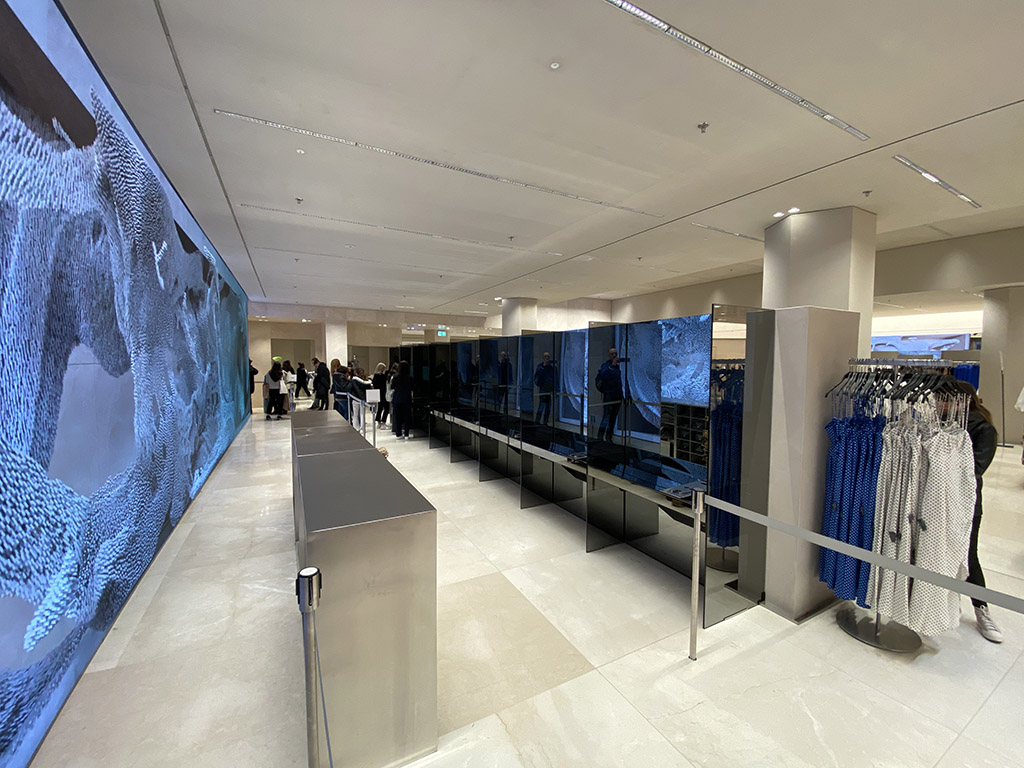
Self-checkouts in Zara’s flagship store on Champs-Élysées. While popular with consumers, self-checkouts have become a source of retail theft. This creates tension between delivering optimal customer experience and controlling shoplifting.
Artificial Intelligence: The New Security Paradigm
Since 2024, algorithmic video surveillance solutions have become mainstream in France. With installation costs around €100 and monthly subscriptions ranging from €200 to €3,000, these systems promise loss reductions of up to 60%.
Early results are encouraging. According to a 2026 study, these devices reduce theft by 20% to 50%. This is crucial when considering that shoplifting can represent up to 4% of a store’s annual revenue, while average net margins hover around 2%.
An Evolving Legal Framework
France long prohibited real-time AI for security in privately-owned public spaces. On June 21, 2024, the Council of State reaffirmed that such systems were reserved for events with terrorist risks. However, a proposed law passed on February 16, 2026 authorizes experimentation in retail stores until the end of 2027.
This evolution is part of a broader debate balancing economic security, civil liberties, and compliance with GDPR and the European AI Act.
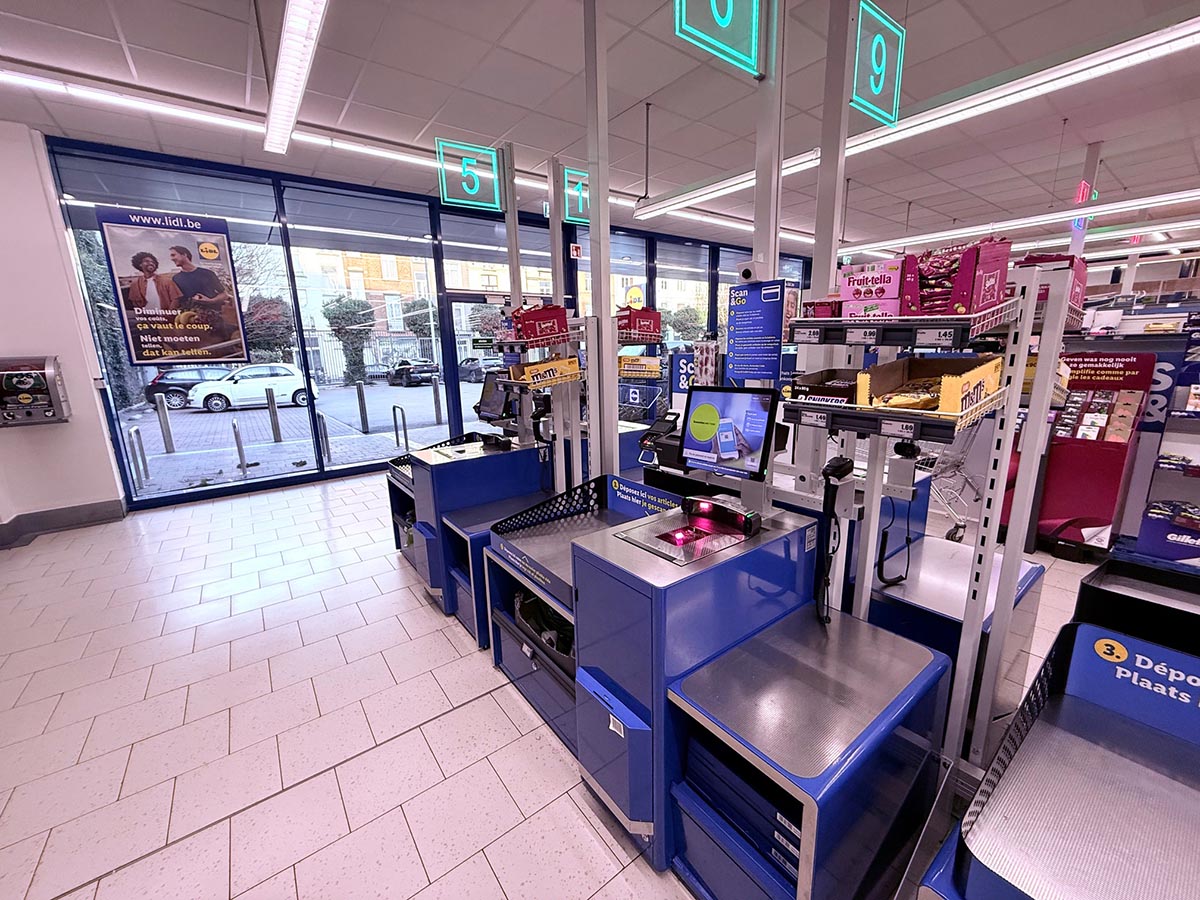
Unlike other retailers, Lidl adopted self-checkouts relatively late. Their deployed models incorporate anti-theft features, including integrated scales that verify item weights during scanning to detect anomalies.
Current Anti-Theft Technologies: Comprehensive Overview
Today’s anti-theft market features several complementary technologies:
Security Gates
- Radio Frequency: Most widespread technology, effective except near metal objects
- Electromagnetic: One-meter range, resistant to metal interference
- Acousto-Magnetic: Newest technology based on magnetic strip vibrations
Protection Devices
- Security tags: Discreet, sometimes with barcodes
- Security badges: Reusable, require specialized detachers
- Specialized protectors: For glasses, bottles, specific products
Prevention Systems
- Surveillance cameras: Present in most stores, combined with human monitoring
- AI-powered suspicious behavior detection: Specialized algorithms identify suspicious activities and trigger alerts.
Inflation’s Impact on Retail Theft
The 2020s marked a turning point. In France, between 2021-2022, shoplifting incidents increased by 14.7%, from 23,377 to 26,829 police reports. This surge coincided with food inflation reaching 15.9% in March 2023.
Stolen products evolved: meat, fresh produce, sausages, and prepackaged meals became prime targets. Anti-theft equipment suppliers reported a 30% sales increase year-over-year (2022-2023).
The purchasing power decline immediately translated into increased criminal behavior at retail locations.
Toward Predictive Security
The past fifteen years reveal a clear trend: the shift from physical product protection to behavior analysis. Modern anti-theft systems now integrate:
- Traditional physical protection (security tags, cases)
- Advanced logistical control (RFID, source tagging)
- Staff training and empowerment
- Intelligent checkout automation
- Algorithmic video surveillance and AI
The focus is gradually shifting from product control to behavioral analysis. The challenge is no longer just protecting merchandise, but anticipating theft intent.

Frequently Asked Questions About Anti-Theft Technologies
How effective are retail anti-theft systems really?
Effectiveness varies by technology. Traditional systems (RF/EM gates) provide basic protection, while AI solutions can reduce losses by 20% to 60% according to early results. Effectiveness also depends on staff training and combining multiple technologies.
Are anti-theft technologies suitable for small businesses?
Absolutely. Costs have dropped significantly: an AI solution now costs about €100 to install, with monthly subscriptions from €200 to €3,000. For small businesses where theft can represent 4% of revenue, the investment pays for itself quickly.
How to choose between available technologies?
The choice depends on business type and products. Supermarkets often prefer radio frequency, clothing stores opt for acousto-magnetic, while pharmacies favor discreet solutions. Ideally, combine multiple approaches for different store areas.
What are the legal constraints for AI in retail?
In France, AI anti-theft experimentation is authorized in stores until end of 2027. Systems must comply with GDPR and the European AI Act. Retailers should clearly inform customers about these systems and respect personal data protection rights.