Discover the very essence of the concept store through this detailed analysis, which I’ve enriched with numerous examples gathered during my travels.
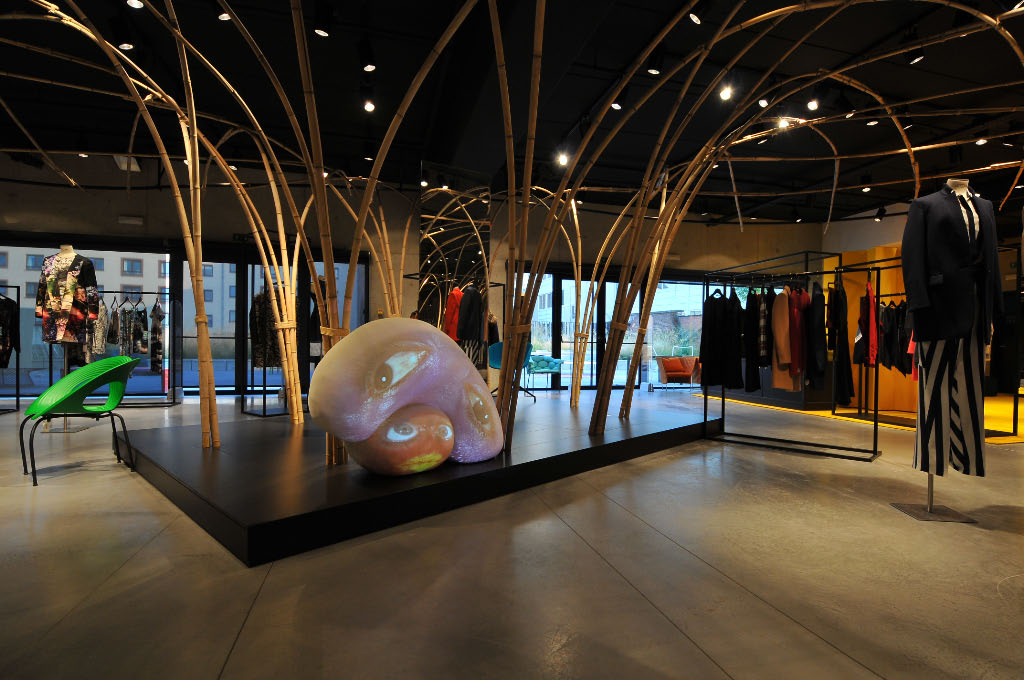
Concept stores have brought a breath of fresh air to retail. They are highly trendy hybrid spaces that combine different “concepts” (hence the name): shop, art gallery, living space, etc. They offer a radically different marketing approach compared to traditional stores. As someone passionate about retail and marketing, I wanted to provide you with an in-depth analysis of concept stores. In my work within my marketing consulting firm, I see that they can be a source of inspiration to rethink “retail marketing”, and in particular the customer experience. And as usual, I illustrate my analysis with concrete examples gathered during my travels.
Contact us for your marketing project
Key takeaways
- Concept stores prioritize immersive experiences over simple commercial transactions
- Their marketing strategy is based on product curation and the creation of coherent universes
- These hybrid formats generate new customer loyalty models
- The differentiated approach justifies premium pricing and increases perceived value
- Traditional retailers are increasingly drawing inspiration from these codes to modernize their offering
- Concept stores have a repeat customer rate of 65%, compared to 35% for traditional stores in the same sector.
What sets a concept store apart?
A concept store is defined above all by its ability to create a coherent universe around a strong idea. Unlike traditional stores that organize their offerings by product categories, these spaces provide an eclectic selection guided by a thematic thread. This is both their strength and their weakness, as I will explain later in this article.
This approach to retail marketing changes the customer relationship. Rather than aiming to maximize the number of references, concept stores focus on the quality of curation (i.e., product selection). Each product is chosen for its ability to tell a story and fit into the store’s overall universe. Some researchers even go so far as to suggest that the purpose of a concept store is not to sell, but rather to inspire. I find this somewhat extreme, as any point of sale, regardless of its format, must comply with economic realities.
In France, brands such as Merci in Paris or L’Exception popularized this model as early as the 2010s. These pioneers demonstrated that it is possible to create value by offering fewer products, but better selected and, above all, staged. Another good example is Soho House, on which I wrote an in-depth analysis.
| Criteria | Traditional store | Concept store |
|---|---|---|
| Assortment | Wide range by category | Curated and eclectic selection |
| Layout | Optimization of selling space | Immersive staging |
| Pricing strategy | Competitiveness and volume | Premium and exclusivity |
| Customer relationship | Standardized service | Personalized advice and expertise |
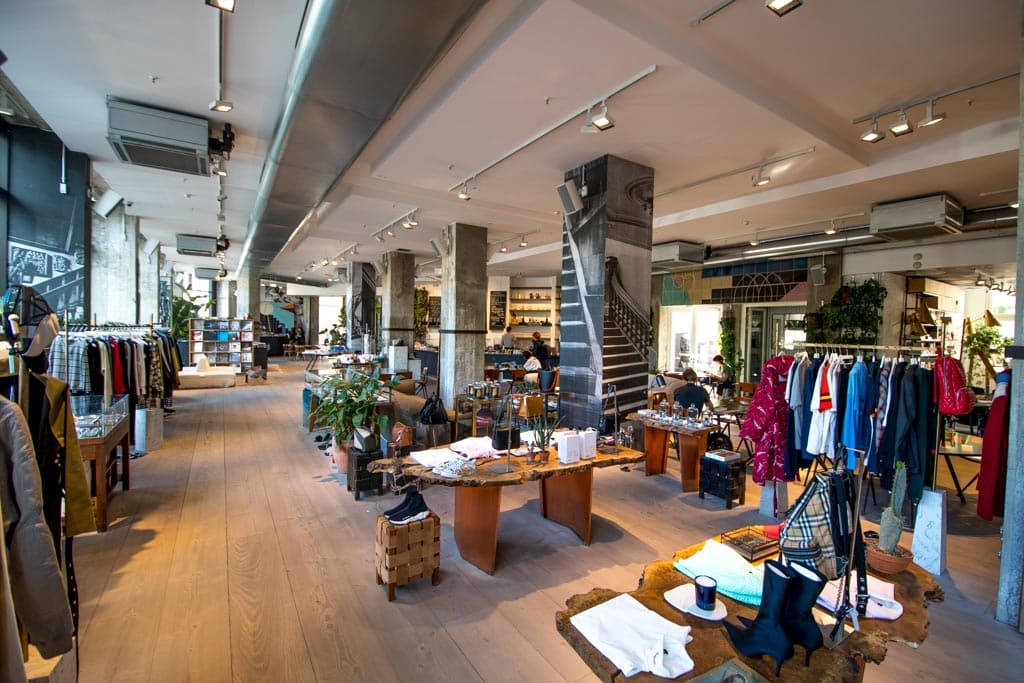
Soho House is a brand that built its reputation around the very idea of blending different genres within a commercial space. Similar to Merci in Paris, it is the purest example of a concept store. Soho Houses exist in multiple cities. Above is a photo I took a few years ago in Berlin.
Marketing Strategies Specific to Concept Stores
The marketing approach of concept stores relies on several distinctive levers that transform the act of purchasing into a memorable experience.
Curation Strategy as a Differentiator
Curation is at the heart of the retail strategy for concept stores. This approach involves carefully selecting each product according to precise aesthetic, ethical, or conceptual criteria. This process helps create a strong identity and justifies a premium positioning.
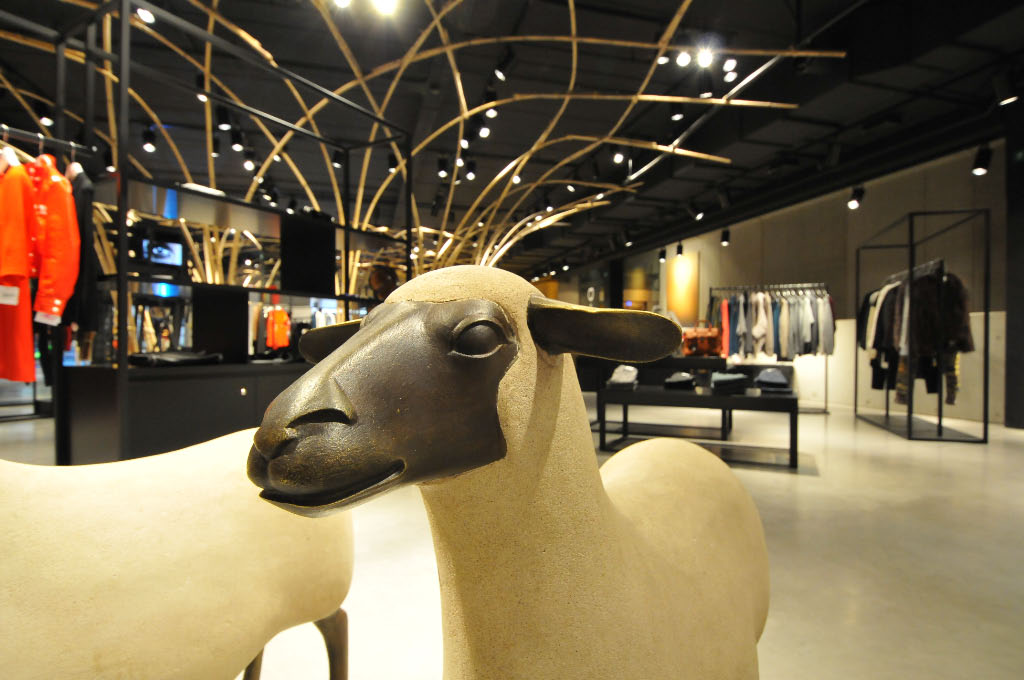
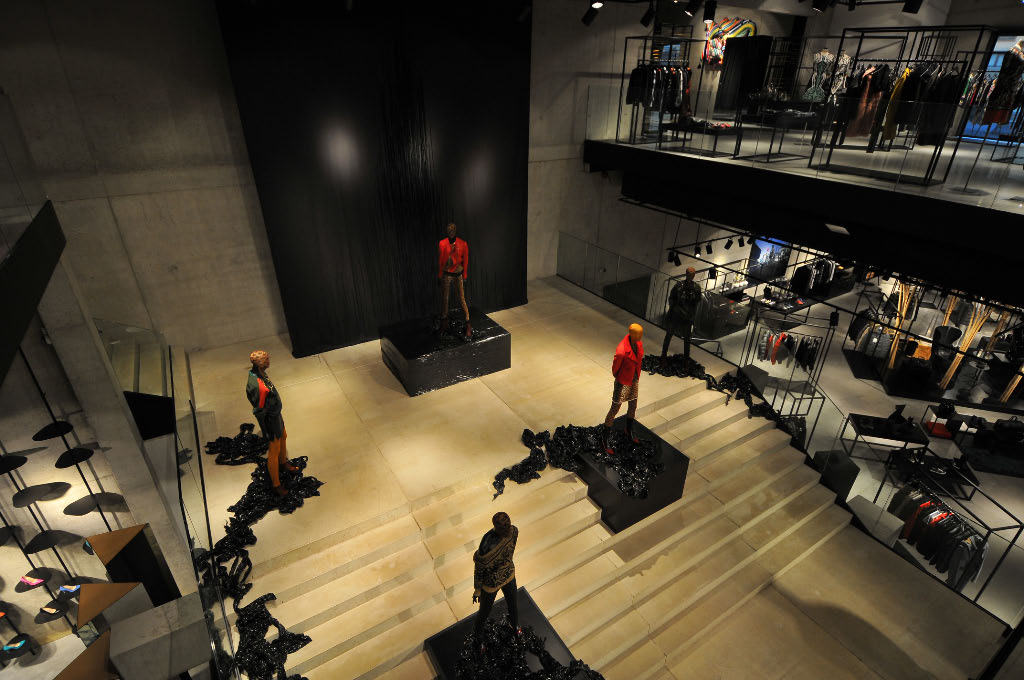
At Colette, before its closure in 2017, this strategy transformed a 700 m² space into a global reference for creative retail. The store offered only 300 items compared to several thousand in a traditional department store, but each was carefully chosen for its innovative or exclusive character.
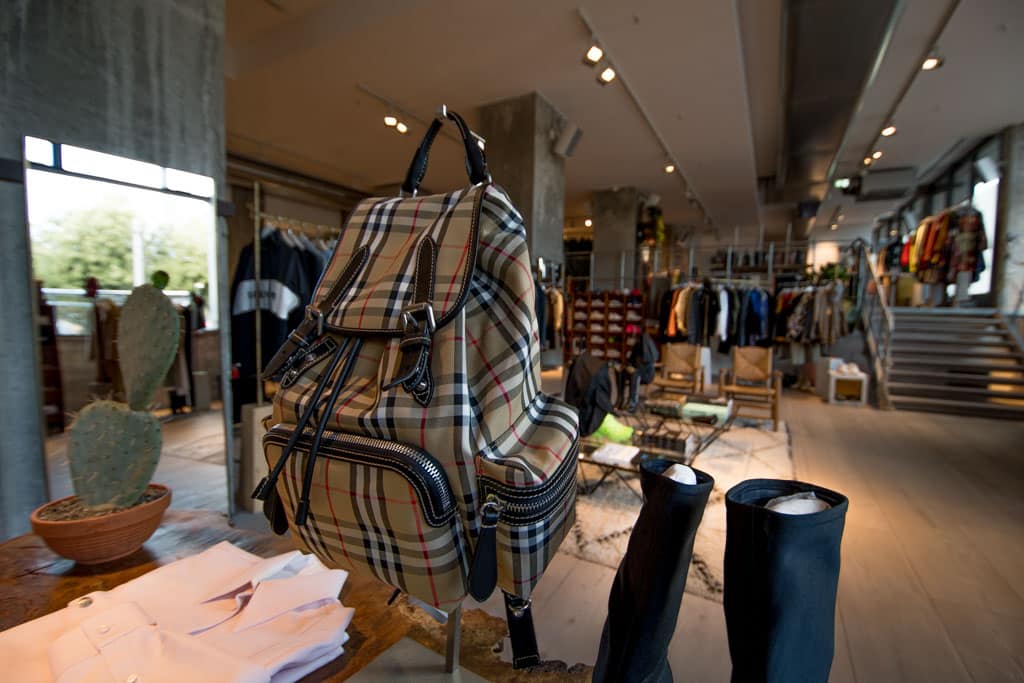
The meticulous selection of items is a central part of concept stores’ marketing strategy.
Product Presentation
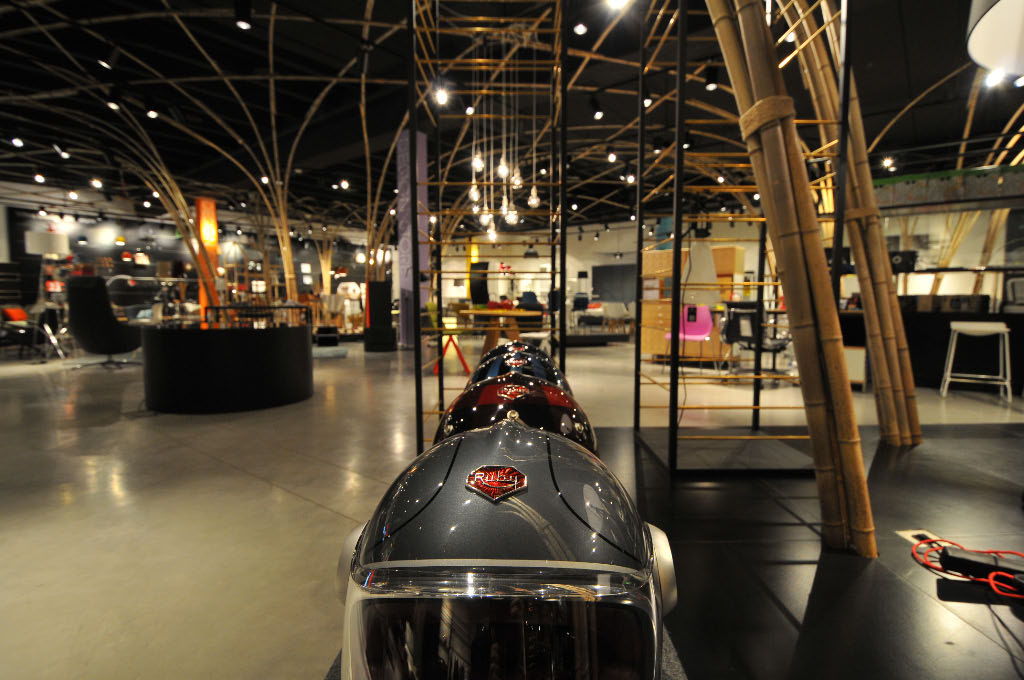
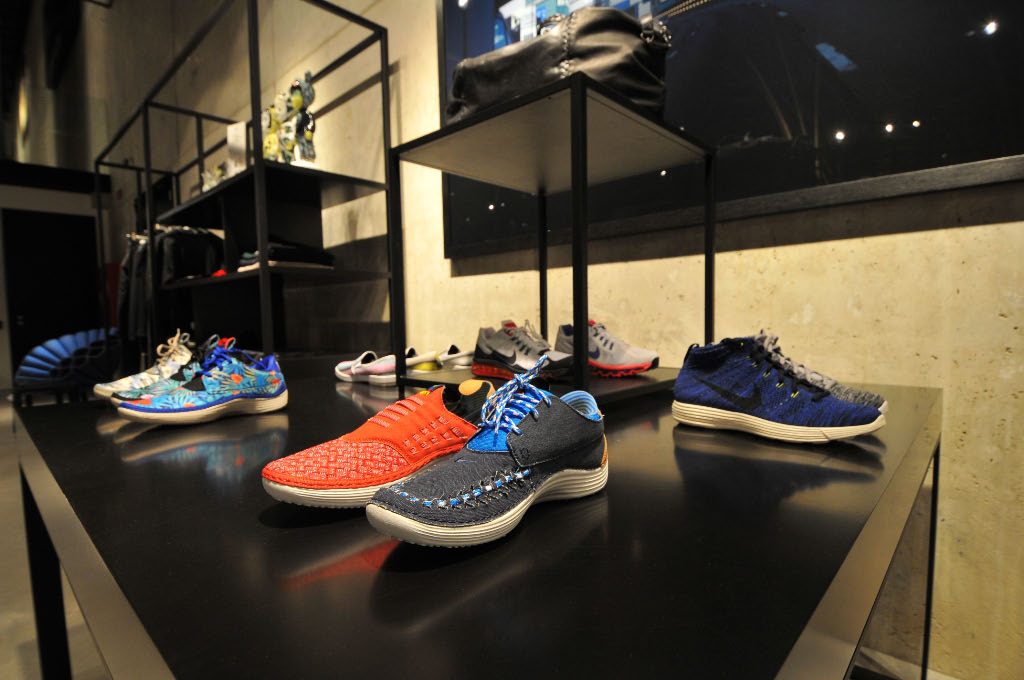
Concept stores draw inspiration from the latest trends in product layout and display. Rather than arranging products by category and organizing the store layout around these categories (the classic example being a supermarket), concept stores tend to mix categories and put the object into action.
While traditional stores have multiple copies of the same product displayed vertically (on shelves), concept stores deliberately limit the number of copies (to improve store readability) and also use horizontal surfaces as display areas.
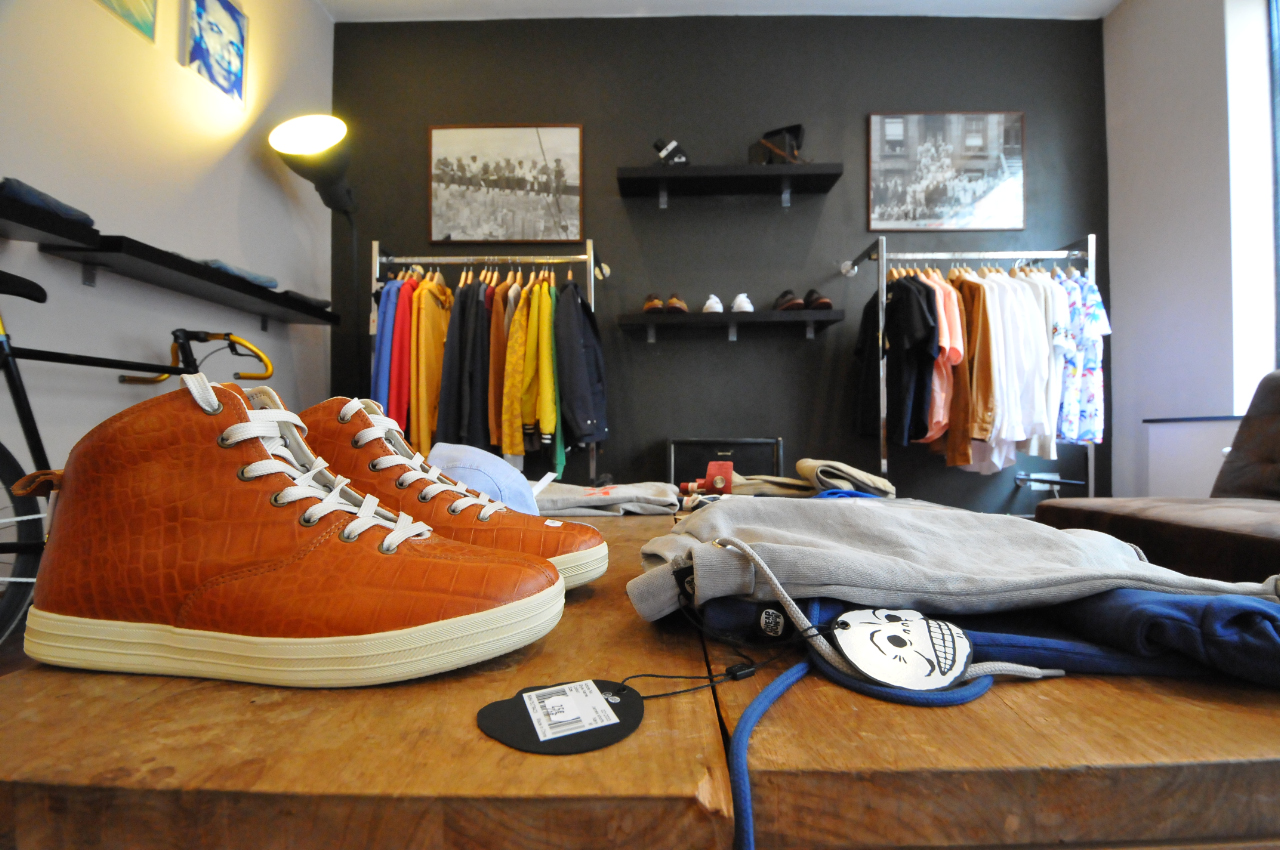
Highlighting products by mixing categories is typical of concept stores. It was a hallmark when they were first created, and today this presentation style can also be found in more traditional stores.
Hybridization of Services
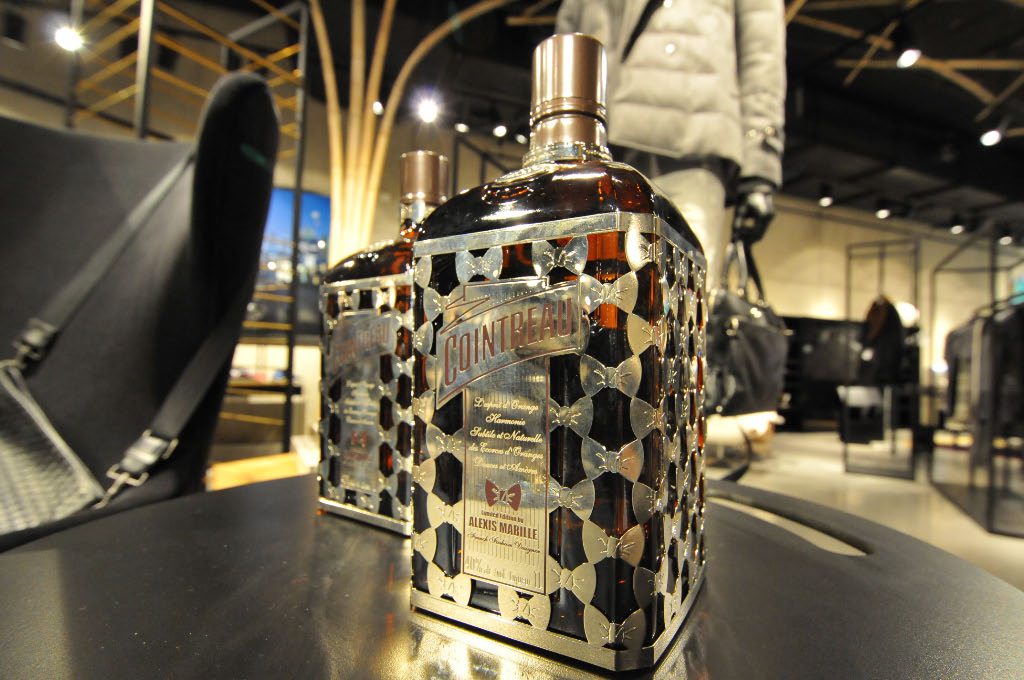
Concept stores excel at blending different genres. This hybridization creates commercial synergies and extends visit time (thus increasing the probability of purchase). A customer who comes for a book might leave with a decorative item and have enjoyed a coffee.
This strategy produces several measurable commercial advantages. First, it increases the average basket by creating cross-impulse purchases. Second, it builds customer loyalty by offering a holistic experience that is hard to replicate elsewhere. Finally, it diversifies revenue streams and reduces dependency on a single activity.
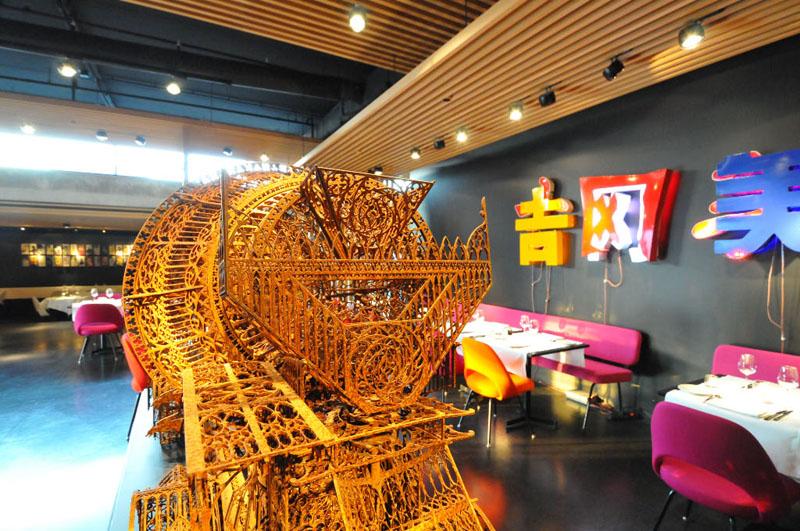
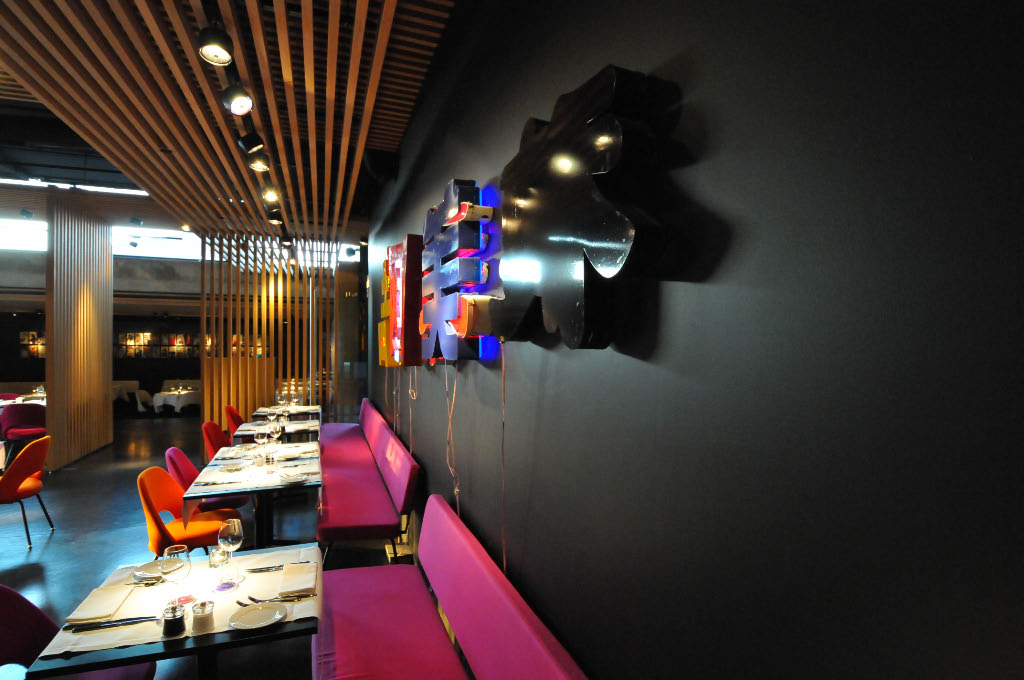
The SMETS concept store was launched in a grand location in Brussels about ten years ago. It was a paragon of the concept store as it represented a perfect, high-end synthesis. The restaurant was obviously present, and the Smets family, who created the space, spared no effort in hiring a chef who quickly got the establishment featured in culinary guides.
Advantages and Disadvantages of This Marketing Approach
Strengths
The concept store approach offers significant advantages in terms of differentiation and value creation. These spaces naturally generate word-of-mouth and enjoy high exposure on social media due to their photogenic character.
Margins are generally higher than in traditional retail. This performance is explained by the high perceived value and the lack of direct comparison with competitors. Customers are willing to pay more for exclusivity and the experience offered.
Customer loyalty reaches remarkable levels. A 2024 study of 50 French concept stores revealed a 65% regular customer rate, compared to 35% for traditional stores in the same sector.
Weaknesses
However, this approach has significant constraints. Operating costs are high, notably due to the investments needed to maintain the space’s appeal and regularly refresh the product offering.
Scalability is also challenging. Reproducing the authenticity and uniqueness of a concept store across multiple locations is complex. Many brands struggle to maintain their essence during expansion.
The target audience is inherently limited. This approach primarily attracts urban, educated customers with high purchasing power. This geographic and sociological limitation can hinder growth.
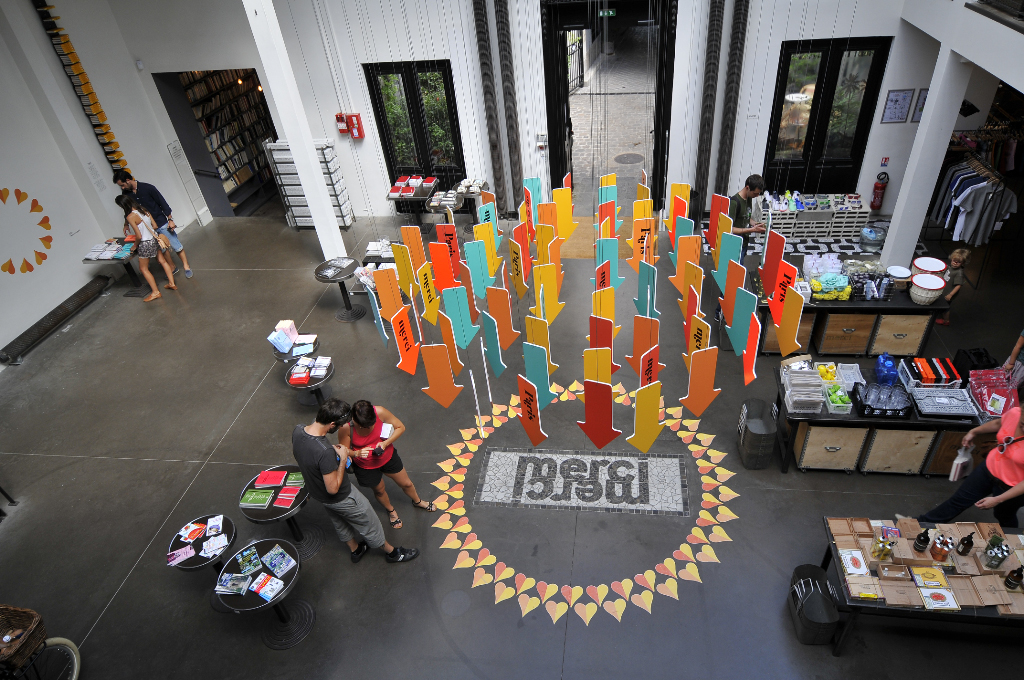
The Merci concept store is one of the most well-known in Europe (and perhaps the world 😉).
Concrete Examples of Innovative Retail Marketing Strategies
The Parisian Model: Merci
Merci, located in the Marais since 2009, perfectly illustrates the French concept store approach. The brand developed a marketing strategy based on social engagement by donating its profits to development projects in Madagascar.
This ethical dimension strengthens customers’ emotional attachment and justifies a high price positioning. The store offers a mix of products ranging from fashion to home décor and gourmet groceries, all within a carefully designed industrial-style setting.
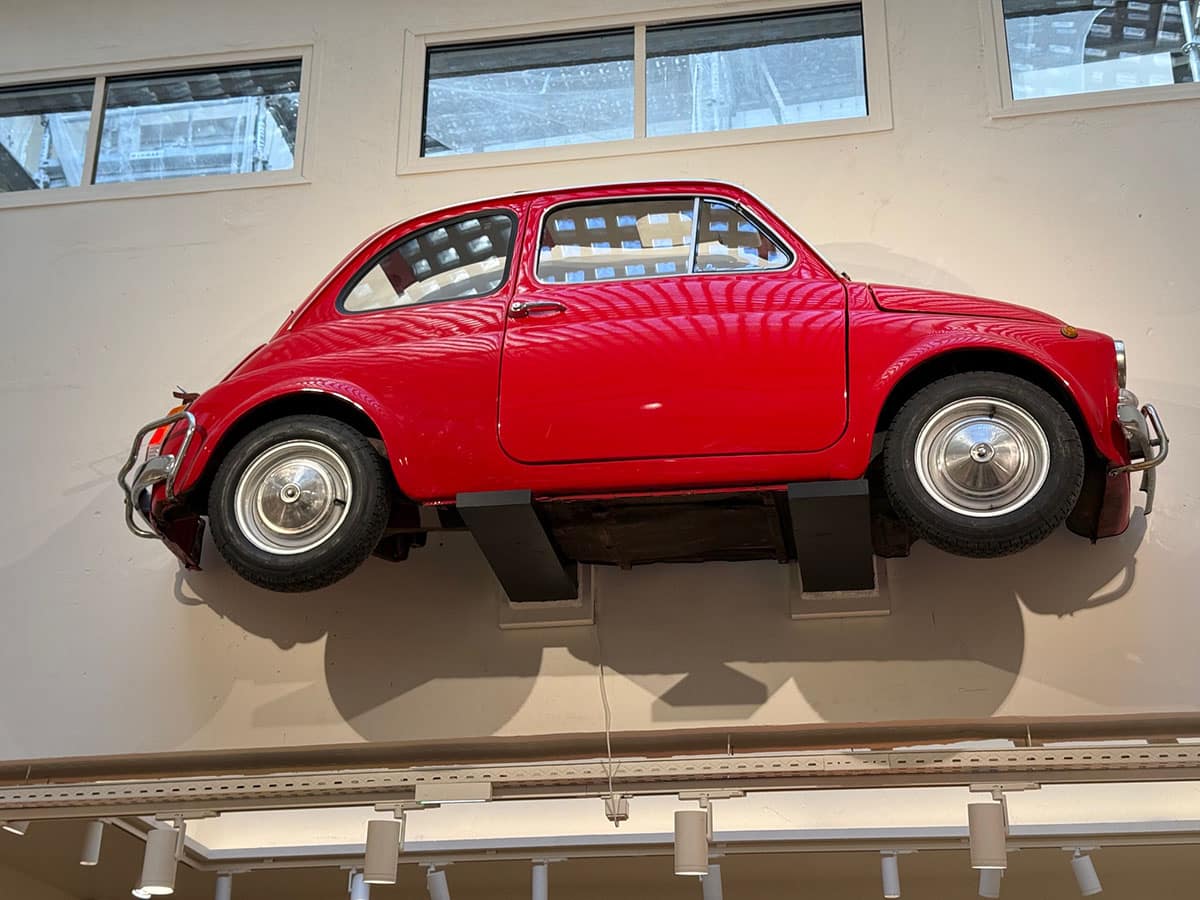
Merci opened a new concept store in central Paris (Rue Richelieu), following the codes of its historic Boulevard Beaumarchais store. The Fiat 500 that greets visitors at Boulevard Beaumarchais is also present here, but in a slightly more … unusual form 😯
Digital Innovation at L’Exception
L’Exception developed an original omnichannel approach combining a physical concept store and an e-commerce platform. Launched in 2013, the brand opened its first Parisian store in 2018, creating synergy between digital and physical.
Their strategy focuses on highlighting emerging designers and personalizing the customer experience. The physical store serves as a showroom to explore products, while orders can be finalized online with home delivery.
International Development of Soho House
The Soho House concept store exists under the Soho Home brand via its Soho.Home.Studios. Since access to Soho Houses is exclusive, the concept store allows anyone to replicate the club aesthetic at home.
Spaces are designed to mimic a House interior (recycled parquet, marble bar, DJ booth) with fully furnished rooms where every item is available for purchase. This showcases the juxtaposition of objects across categories, as mentioned in the introduction.
I particularly appreciate the staged micro-spaces. You can sit there and become part of the scene rather than just a simple buyer.
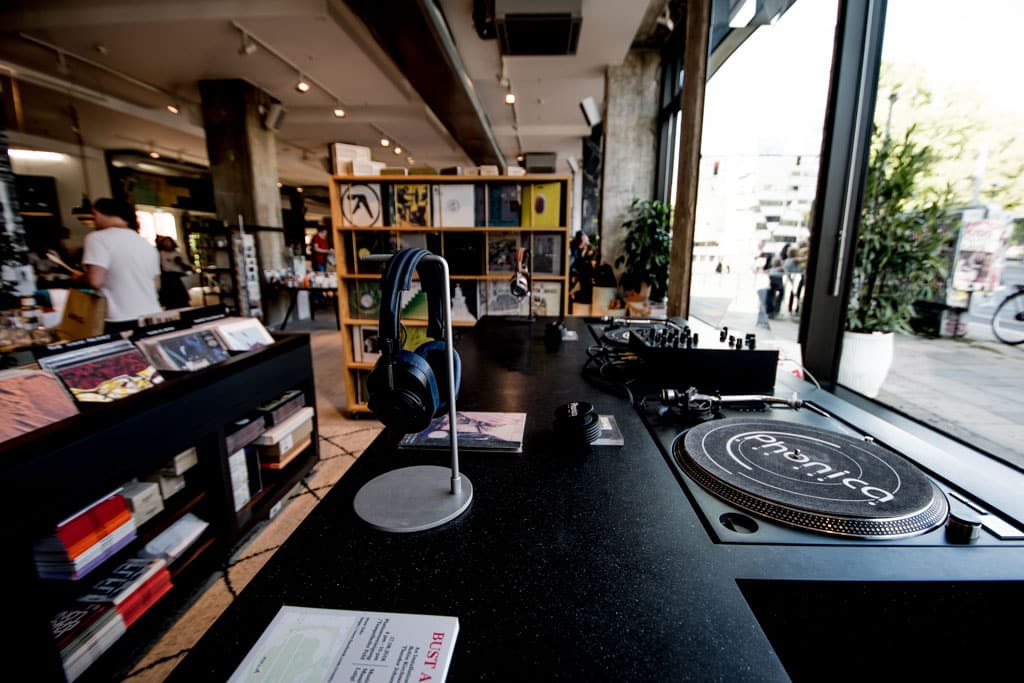
The DJ set is an integral part of the Soho House concept store.
How Are Traditional Retailers Adapting?
Faced with the success of concept stores, traditional retailers are rethinking their marketing strategies to incorporate some of these innovative codes.
Monoprix launched its “Monop’ Store” in 2019—smaller, more curated spaces than its traditional stores. These outlets offer a focused selection of trendy products and include services such as a coffee bar or creative workshops.
FNAC developed the “FNAC Connect” concept, transforming some stores into experience spaces. These venues offer product demonstrations, training, and cultural events, directly inspired by the concept store approach.
Even department stores are evolving. Le Bon Marché created themed “corners” functioning as mini concept stores within the larger space, each with its own visual identity and curated selection.

The Future of Retail Marketing in the Era of Concept Stores
The influence of concept stores on French retail marketing continues to grow. This approach meets consumers’ increasing demand for authentic, personalized experiences. I also believe this must be viewed in the broader context of consumption trends. The economic reality is increasingly complex, requiring the adoption of a differentiated marketing strategy.
New technologies offer opportunities for hybridization. Augmented reality, interactive kiosks, and mobile apps enrich the experience without undermining the artisanal approach that makes these spaces charming.
The challenge for the coming years will be to reconcile authenticity with commercial growth. Concept stores that succeed in scaling will be those that industrialize their approach without losing their creative soul.

Frequently Asked Questions
What is the main difference between a concept store and a traditional store?
The fundamental difference lies in the marketing approach. A concept store prioritizes experience and product curation around a coherent theme, whereas a traditional store optimizes assortment by categories to maximize sales. This approach allows concept stores to create higher perceived value and justify premium pricing.
Are concept stores profitable?
The profitability of concept stores largely depends on their ability to generate high margins through premium positioning. Although operating costs are higher than traditional stores, the margins typically offset this gap. Financial success relies on retaining customers willing to pay more for the offered experience.
How can the success of a concept store strategy be measured?
Performance indicators differ from traditional retail. Beyond revenue, one should analyze average basket size, customer retention, visit frequency, and social media engagement. Time spent in-store and conversion rates are also key metrics to evaluate the effectiveness of the experience provided.
Can the concept store approach be applied to all sectors?
The concept store approach works particularly well in sectors where emotion and aesthetics play a key role: fashion, home decor, beauty, and bookstores. It is harder to apply in highly functional or regulated sectors. However, even in these areas, certain elements can be adapted to enhance the customer experience.
What are the risks of a concept store strategy?
Main risks include reliance on a niche audience, scalability challenges, and high costs to maintain attractiveness. There is also a risk of temporary trendiness if the concept does not evolve with consumer expectations. Competitive pressure may also lead to concept dilution.





![Illustration of our post "SIAL 2026: 12 tips for planning your visit [Guide]"](/blog/app/uploads/sial-paris-practical-tips-visit-120x120.jpg)